


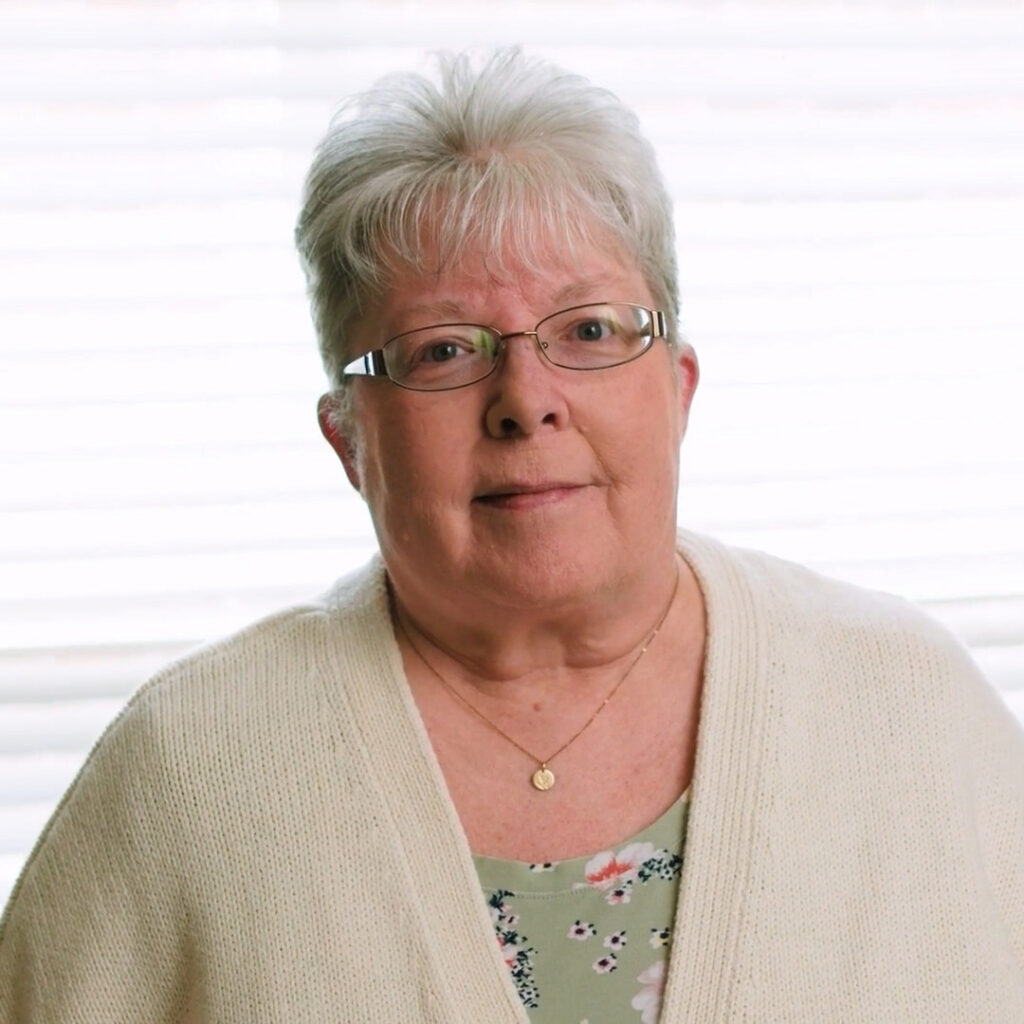



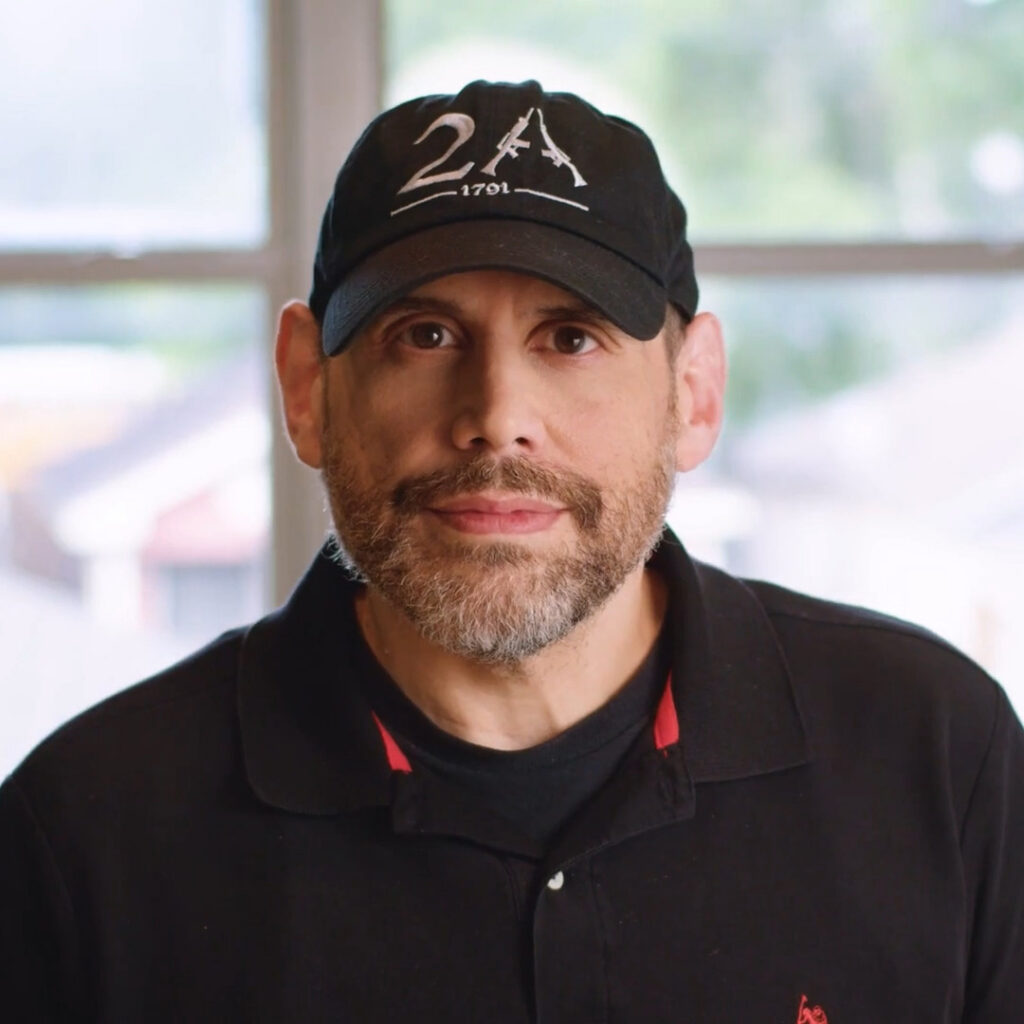

Testimonials

We Win or You
Pay Nothing
We have staff standing by at all hours to help you.
Immediate
Medical Care
Receive the treatment you need, as soon as you need it, with usually no out-of-pocket cost to you.
24/7
Access to Us
Speak with a real human being, no matter what time it is.
Client
Satisfaction
Enjoy working alongside a firm with a sterling reputation for 1,400+ 5-Star Google Reviews.
What To Do After a Car Accident in Dallas
After a car accident, the steps you take next can affect both your well-being and your ability to document what happened. If anyone is injured or vehicles cannot be moved safely, call 911 and request assistance. The police will also be able to provide an accident report, which can be critical to future claims.
In some scenarios, Dallas police may be delayed or may not come to the scene of non-injury crashes. Even if the police do not come to the scene, you should be prepared to:
- Exchange driver and insurance information
- Take photos of vehicle damage, license plates, and the surrounding area
- Gather contact information from any witnesses
- Seek medical evaluation as soon as possible (many symptoms develop later than you expect, so it’s important to be cautious)
- File a crash report with TxDOT if required. In Texas, if you’re in a car accident that causes injury, death, or more than $1,000 in property damage, you’re required by law to report it immediately.
- Avoid discussing fault or giving recorded statements to insurers early
- Contact a Dallas car accident attorney
For more information about what to do after a Dallas car accident, check out these FAQs.
Filing an Accident Report in Dallas
Accident reports play an important role in documenting what happened and supporting an insurance claim, particularly when serious injuries, significant property damage, or disputed fault come into play.
Here’s how accident reports are typically handled in Dallas:
- When police respond to the scene: The officer on scene will typically complete a Texas Peace Officer’s Crash Report (CR-3), which covers key details such as driver info, vehicle damage, eyewitness statements, and contributing factors. A CR-3 is mandated by state law when property damage is more than $1,000 or someone is injured or killed.
- When police don’t respond: If the police don’t show up and create a report at the scene, drivers may still need to file a Driver’s Crash Report (CR-2), also known as the “blue report.” When a CR-3 is not completed by the police, this alternative report may be filed by anyone involved in the accident.
Because not every crash requires a police report, knowing when and how to document the incident can make a difference later. You should contact a Dallas car accident attorney to review the details of your accident and help you determine the best way forward.
Get Your Free Case Evaluation


















Building Trust Through Real Results
No two cases follow the same path, and results are shaped by the specific injuries, circumstances, and insurance involved. What stays consistent is our approach – staying engaged, applying pressure when needed, and not rushing to resolve a case too early.
$315K Settlement: Commercial Vehicle Claim With Limited Disclosure
In a case involving a commercial driver and potential undisclosed problems, the defense presented an early offer of $210,000 on just $20K in medical bills – all while limiting access to key evidence. Continued pressure and a refusal to settle early led to a $315,000 pre-litigation resolution.
Initial Offer Quadrupled After Disputed Intersection Collision
After a red-light crash involving a totaled vehicle and ongoing treatment, an initial offer under $18,000 was challenged through continued negotiation. The case was ultimately resolved by verdict at over $71,000 after stalled mediation discussions.
Find Our Dallas Law Office on Pacific Avenue
Trust Guss Injury Lawyers makes it easier to connect with legal help by serving injured drivers and passengers from a centrally located office in the Main Street District.
Our Dallas team works with clients from across the city and surrounding communities, including:
- Downtown Dallas
- Plano
- Irving
- Garland
- Richardson
- Mesquite
- North Dallas and nearby suburbs
Why Car Accidents in Dallas Present Unique Challenges
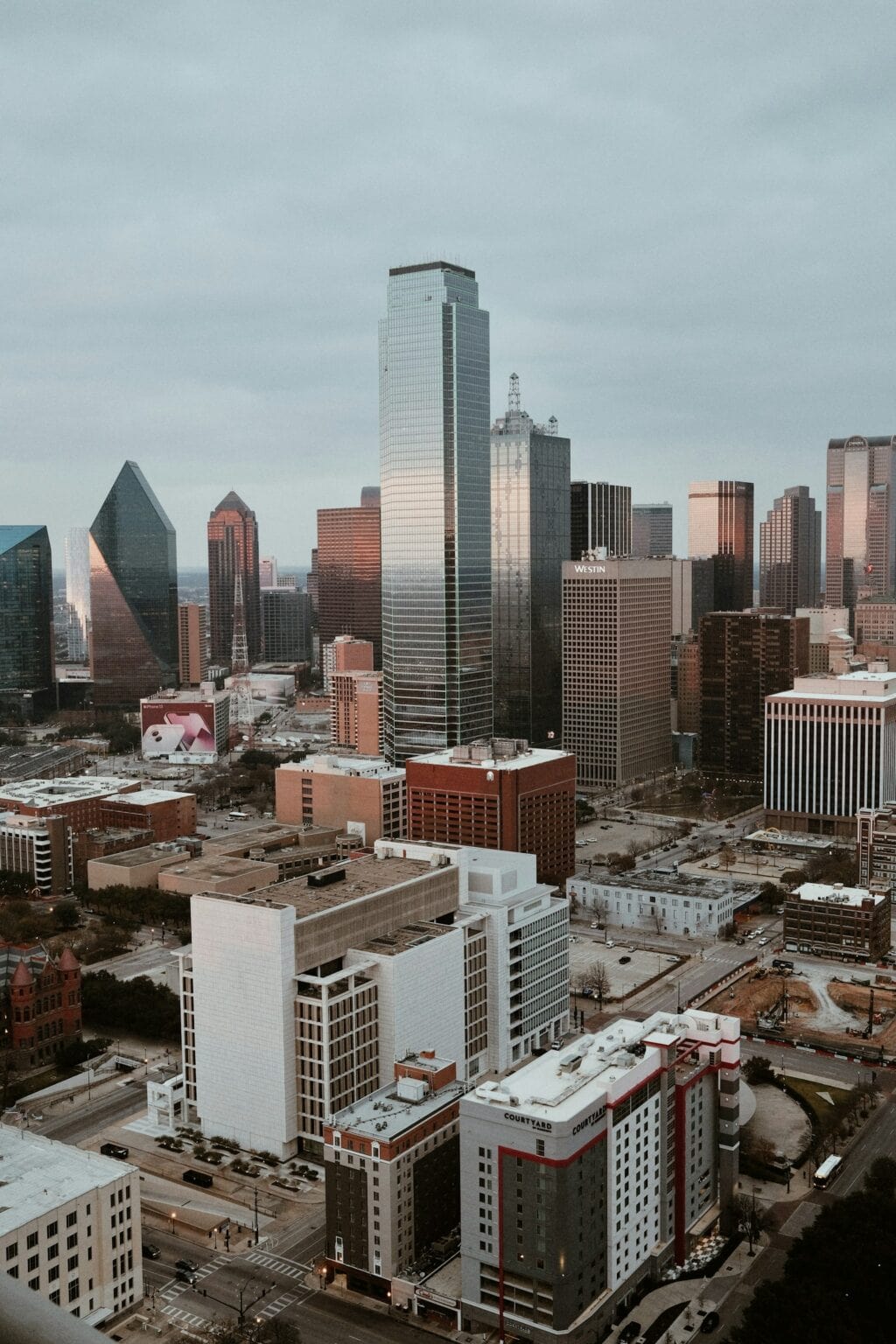
Dallas traffic operates at a different rhythm than many other Texas cities. The combination of rapid development, major commuting corridors, and constant infrastructure changes creates conditions where accidents happen quickly and are not always easy to reconstruct afterward.
Several local factors contribute to this:
- High-speed corridor transitions: Drivers frequently shift between freeway speeds and sudden slowdowns, especially along I-635, US-75, and I-35E
- Ongoing construction and lane changes: Expanding infrastructure leads to shifting traffic patterns and reduced predictability
- Dense commuter overlap: Daily traffic combines long-distance commuters with local drivers navigating shorter routes
- Heavy fleet and delivery presence: Commercial vehicles are common across major routes and surface streets
Most Dangerous Roads and Areas in Dallas
Dallas traffic is shaped less by geographic sprawl and more by constant movement between high-speed and congested conditions. Drivers frequently transition from freeway travel to dense urban traffic within short distances, creating situations where timing, spacing, and quick decision-making play a larger role in how accidents occur.
Unlike cities where traffic patterns are more predictable, Dallas collisions often come down to split-second decisions, lane positioning, and limited reaction time, which can make fault less clear after the fact.
Certain areas consistently present a higher risk due to those factors:
- I-635 (LBJ Freeway), especially during peak congestion
- US-75 (Central Expressway), known for stop-and-go traffic
- I-35E corridors with heavy merging
- Dallas North Tollway during high-speed travel periods
- Downtown Dallas intersections with dense flow
How Our Dallas Car Accident Lawyers Help Build a Strong Claim
Car accident claims often follow a general sequence, but how a case actually develops depends on several moving parts, including how the crash occurred, how injuries progress over time, and what insurance coverage is available.
Our role is to guide you through that process while building a claim supported by clear evidence, consistent medical care, and thorough documentation.
A typical Dallas car accident claim may involve:
- Investigating how the crash occurred: This can include reviewing police reports, photographs, vehicle damage, witness accounts, and any available video footage to understand positioning, timing, and impact.
- Analyzing fault and contributing factors: Establishing responsibility may require evaluating traffic laws, roadway conditions, driver behavior, and, in some cases, multiple vehicles or commercial involvement.
- Developing medical documentation: Consistent treatment helps demonstrate how the injury has affected you. Medical records, provider notes, and billing all contribute to showing the progression and severity of injuries.
- Calculating damages: This includes both direct financial losses, like medical expenses and lost income, and the broader impact on your ability to work and carry out daily activities.
- Handling insurance negotiations: Insurance companies often review claims closely and may question fault, treatment timelines, or the extent of injuries. We manage communication and respond to these challenges throughout the process.
- Preparing for litigation when necessary: While many cases resolve without filing a lawsuit, some require escalation when a fair outcome cannot be reached through negotiation alone.
To learn more about how the legal process works, check out these related FAQs.
What Compensation May Be Available After a Dallas Car Accident
After a car accident, compensation is meant to address both the immediate financial impact of the crash and the longer-term effects an injury may have on your life. Depending on the circumstances, your claim may involve:
- Medical expenses, including emergency care, follow-up treatment, physical therapy, and ongoing rehabilitation
- Lost wages for time missed at work during recovery
- Reduced earning capacity if injuries affect your ability to work in the future
- Pain and suffering, including the physical discomfort and disruption caused by the accident
Outcomes are shaped by the specific details of each case, including how serious the injuries are, how consistently treatment is documented, whether fault is disputed, and the insurance coverage available to respond to the claim. While there are no “standard” settlement amounts, the Insurance Information Institute reported that in 2024, the national average auto liability claim for property damage was $6,770, and the national average auto liability claim for bodily injury was $28,278.
To learn more about how compensation is evaluated, you can review these FAQs about settlements and recovery.
Understanding Who May Be At Fault in Your Accident
Determining fault after a car accident is not always straightforward. While some crashes involve a single clear mistake, others involve a combination of actions, timing, and roadway conditions.
Depending on what happened, responsibility may involve:
- A driver who didn’t follow traffic laws
- A distracted, impaired, or speeding driver
- A commercial driver or company vehicle
- Another party connected to the incident
In some situations, more than one party may share responsibility. When that happens, Texas law can limit your potential recovery based on the amount of fault you share, so insurance companies often examine each party’s actions closely to determine how responsibility should be assigned.
This process can directly affect how claims are evaluated and what compensation may be available. Because of this, clearly understanding how the accident occurred – and what factors contributed to it – plays an important role in how a case moves forward.
The Importance of Insurance Coverage in Dallas Car Accident Cases
Insurance coverage is often one of the most important factors in a car accident claim. In many situations, it determines not only how a claim is handled but also what recovery may realistically be available.
Coverage may include:
- The at-fault driver’s liability policy: This is typically the primary source of compensation in most accident cases.
- Your own uninsured or underinsured motorist (UM/UIM) coverage: This may apply if the other driver has limited coverage or no insurance at all.
In Texas, required minimum coverage limits are relatively low, and a significant number of drivers carry only minimal policies (or none at all). When injuries are serious, available coverage may not fully account for the total losses involved.
This means that identifying applicable insurance early can play a major role in how a claim develops and what options may be available. You can learn more by checking out these additional FAQs about insurance and claims.
Who You
Trust Matters
Trust Matters
See Why Dallas Trusts Guss
Trust Guss Injury Lawyers has over 1,400 Five-Star Google Reviews from satisfied clients. Every case is different. Every story is unique. Hear from these actual clients what they experienced and why they now Trust Guss.1,400+
Five-Star Google Reviews from Satisfied Clients

Dallas Car Accident Statistics and Trends
Dallas Crash Data at a Glance
According to 2024 city-level crash data collected by the Texas Department of Transportation (TxDOT) and local agencies, Dallas experiences the third-highest volume of car accidents in the state.
Broad trends in Dallas include:
- A higher rate of fatalities per accident when compared to other Texas cities, with 227 fatalities resulting from just over 26,000 accidents. By comparison, Houston had about 40,000 more accidents but only about 100 more fatalities (see chart below for more comparisons).
- A significant share of injury-producing crashes. Dallas ranked third in the state with nearly 5,000 accidents that caused injuries.
How Dallas Compares to Other Texas Cities
Similar to cities like Houston and San Antonio, Dallas’ risk profile is primarily driven by its scale. Drivers here tend to spend more time on busy freeways, deal with more commercial traffic, and navigate more visitor-related congestion than those in smaller cities.
Here’s how Dallas compared to some other areas of Texas in 2024, according to TxDoT data:
| City | Total Crashes | Fatalities | Injury Collisions |
|---|---|---|---|
| Houston | 66,236 | 339 | 6,935 |
| San Antonio | 39,805 | 170 | 6,685 |
| Dallas | 26,109 | 227 | 4,766 |
| Austin | 10,791 | 98 | 2,873 |
| Fort Worth | 9,873 | 102 | 2,428 |
| Katy | 1,082 | 0 | 72 |
Leading Causes of Car Accidents in Dallas
Dallas traffic patterns, especially along high-speed corridors and congested commuter routes, contribute to a wide range of collisions each year. While every crash is different, many serious accidents stem from preventable driver behavior.
Common causes of car accidents in Dallas include:
- Distracted driving: Activities like texting, using navigation apps, or adjusting in-car systems can take attention away from rapidly changing traffic conditions. Texas’s electronic device usage statute contains language that may allow more drivers to text and drive than you might realize, since it’s hard to enforce until an accident happens.
- Speeding and aggressive driving: High speeds on roads like I-635, US-75, and the Dallas North Tollway reduce reaction time and increase the severity of impact. Speeding is the number one factor in more than 25% of fatal accidents on U.S. roadways, per the National Highway Transportation Safety Administration (NHTSA).
- Drunk or impaired driving: Alcohol- and drug-related crashes continue to be a major factor in serious and fatal collisions across North Texas. In 2024, 1,053 people were killed in Texas motor vehicle traffic crashes where a driver was under the influence of alcohol – more than a quarter of all fatalities.
- Failure to yield or obey traffic signals: Intersections and merging areas are common points of conflict, especially in high-volume traffic zones. Over 100,000 Texas car accidents cited failure to yield as a contributing factor in 2024.
- Driver fatigue: Long commutes and extended time on the road can affect awareness, judgment, and reaction time. Fatigue was cited in more than 4,000 Texas car accidents in 2024.

Common Types of Car Accidents in Dallas
The complex structure of Dallas roadways, which includes major highways, interchanges, and urban corridors, tends to produce certain types of crashes more frequently than others:
- Rear-end collisions in stop-and-go traffic
- Multi-vehicle crashes on freeways
- Accidents involving 18-wheelers and commercial trucks
- Rideshare-related collisions
- Construction-zone crashes caused by narrowed lanes and shifting traffic patterns
- Pedestrian-involved accidents
These types of crashes often involve multiple variables, including speed, positioning, and driver decisions, making them more difficult to evaluate without clear documentation. In these situations, working with an experienced car accident attorney in Dallas can often have a significant impact on your claim.
Common Injuries in Dallas Car Accidents
Injuries from car accidents are not always immediately obvious, especially in collisions involving moderate vehicle damage or delayed symptoms. However, even crashes that appear minor can result in conditions that require ongoing medical care.
Common injuries often include:
- Soft tissue injuries, including strains and sprains, that may worsen over time without treatment
- Neck and back injuries, such as whiplash or disc-related conditions, that affect mobility and comfort
- Head injuries and traumatic brain injuries (TBIs), which may not present symptoms right away but can have lasting effects
- Fractures and orthopedic injuries, particularly in higher-impact collisions or side-impact crashes
- Internal injuries, which may not be immediately visible but require prompt medical evaluation
In many cases, symptoms develop hours or days after the accident. Seeking medical attention early and following through with treatment can be important both for physical recovery and for documenting the injury to support any future claims.
Results That Matter:
k+
Drivers helped after car accidents.
k+
Clients Helped.
+
Over 25 years of helping drivers with car accidents.
Frequently Asked Questions About Dallas Car Accident Cases
Focus on safety first and seek medical attention if needed. If you’re able, document the scene by taking photos, exchanging information, and collecting witness details.
Even if you feel okay, getting checked by a medical provider soon after the crash can help identify injuries that may not be immediately obvious.
It’s generally best to get evaluated as soon as possible, even after a lower-speed collision. Some injuries develop over time, and waiting too long can make both recovery and documentation more difficult.
Consistent follow-up care can also help show how the injury has progressed.
Insurance companies typically review how the crash occurred, who may be at fault, and what coverage is available before making a decision.
This may involve the at-fault driver’s policy, as well as your own uninsured or underinsured motorist coverage, depending on the situation.
Not every accident requires legal representation, but guidance may be helpful when injuries are more than minor, fault is unclear, or insurance companies dispute the claim.
A lawyer can help organize documentation, communicate with insurers, and explain what options may be available.
Fault is not always assigned to just one driver. In some cases, responsibility may be shared based on each party’s actions leading up to the crash.
Insurance companies often evaluate factors like speed, lane position, and right-of-way when determining how fault is divided.
Compensation may include medical expenses, lost income, and the broader impact the injury has on your daily life.
Outcomes vary depending on the severity of injuries, how they are treated, whether fault is disputed, and the insurance available.
Hear More From Trust Guss Injury Lawyers





Get Clarity After a Dallas Car Accident
After a crash, it’s not always clear what to do when injuries, insurance questions, and uncertainty overlap. Some situations resolve quickly. Others become more complex over time.
Understanding the difference early can help you make more informed decisions. While not every case requires a Dallas car accident lawyer, professional legal guidance can be important when:
- Multiple vehicles are involved
- Injuries are serious and/or require ongoing medical treatment
- Commercial or delivery vehicles are part of the crash
- Fault is disputed
- Insurance companies delay, deny, or minimize claims
If you’ve been injured in a Dallas car accident, sought medical treatment, and are now unsure if insurance companies are playing fairly, Trust Guss Injury Lawyers is available 24/7 for a free consultation to help you understand your options. When your safety, finances, and rights are on the line, who you trust matters.
Get Your Free Case Evaluation