











Testimonials

We Win or You
Pay Nothing
We have staff standing by at all hours to help you.
Immediate
Medical Care
Receive the treatment you need, as soon as you need it, with usually no out-of-pocket cost to you.
24/7
Access to Us
Speak with a real human being, no matter what time it is.
Client
Satisfaction
Enjoy working alongside a firm with a sterling reputation for 1,400+ 5-Star Google Reviews.
What To Do After a Truck Accident in Dallas
The hours following a truck accident can be chaotic. Emergency responders may be treating injuries, traffic can back up for miles, and commercial trucking companies or their insurers may begin gathering information almost immediately.
While every accident is different, taking a few practical steps afterward can help protect both your health and your ability to document what happened. After a truck accident in Dallas, you should consider:
- Calling 911 if anyone is injured or the vehicles cannot be moved safely
- Exchanging driver’s license, insurance, employer, and commercial vehicle information with the truck driver
- Photographing vehicle damage, skid marks, roadway conditions, truck markings, trailer numbers, cargo, and any visible debris
- Gathering names and contact information for witnesses before they leave the scene
- Filing a crash report with TxDOT, if necessary (Texas law requires you to report an accident immediately if it causes injury, death, or more than $1,000 in property damage)
- Seeking medical evaluation promptly, even if your injuries initially seem minor
- Keeping copies of medical records, repair estimates, receipts, and other accident-related expenses
- Avoiding discussions about fault or recorded statements until you understand the circumstances surrounding the collision
- Contacting an experienced Dallas truck accident lawyer if the crash resulted in serious injuries or questions about liability
Unlike many passenger vehicle accidents, truck accident claims often involve evidence that isn’t immediately available at the scene. Driver qualification files, electronic logging device (ELD) data, maintenance records, dispatch communications, cargo documentation, and inspection reports may all become important as the investigation develops.
Because much of that information is controlled by the trucking company or other businesses, preserving evidence early can sometimes play a significant role in understanding how the accident occurred. Learn more by reviewing our What To Do After a Car Accident FAQs.
Filing an Accident Report After a Dallas Truck Accident
When law enforcement responds to a truck accident, the investigating officer will generally prepare a Texas Peace Officer’s Crash Report (CR-3). That report may include information about the drivers involved, vehicle descriptions, witness statements, roadway conditions, and the officer’s preliminary observations regarding contributing factors.
Depending on where the collision occurs, responding agencies may include the Dallas Police Department, the Dallas County Sheriff’s Office, nearby municipal police departments, or the Texas Department of Public Safety, particularly if the accident occurs on a major interstate or state highway.
If law enforcement does not investigate the crash or prepare a report, drivers may still need to complete a Driver’s Crash Report (CR-2) – commonly known as the “Blue Form” – to document the accident under Texas reporting requirements. Obtaining and preserving this report can make it easier to understand how the collision occurred and who may ultimately be responsible.
Get Your Free Case Evaluation

















Trust Is Built On
Hard-Earned Results
Every truck accident claim presents its own challenges. Some involve disputed liability, while others require extensive investigation into trucking companies, commercial insurance policies, or catastrophic injuries.
What doesn’t change is our commitment to thoroughly preparing every case, understanding the full impact the accident has had on our clients’ lives, and pursuing the best possible outcome based on the facts.
Conveniently Located to Serve Dallas and Surrounding Communities
Trust Guss Injury Lawyers proudly serves clients from our Dallas office, making it convenient for individuals throughout Dallas, Irving, Garland, Mesquite, Richardson, Carrollton, Grand Prairie, Duncanville, and surrounding North Texas communities to meet with our team close to home.
Clients also have access to our additional Texas offices located in:

Why Truck Accidents Are a Serious Concern in Dallas
Dallas sits at the center of one of the busiest transportation networks in the country.
Major interstate highways, including I-35E, I-30, I-20, I-45, US-75, and I-635, carry commercial traffic throughout North Texas every day, connecting warehouses, manufacturing centers, rail terminals, distribution facilities, and businesses across the region.
Several factors contribute to truck accident risks throughout Dallas:
- Heavy freight traffic moving through one of the nation’s largest inland logistics hubs
- Major interstate interchanges where commuter traffic and commercial vehicles merge throughout the day
- Ongoing roadway construction and infrastructure improvements across the Dallas-Fort Worth metroplex
- Rapid population growth that continues to increase traffic volumes throughout North Texas
- High volumes of local delivery trucks supporting retail, industrial, and e-commerce businesses
With passenger vehicles, tractor-trailers, construction equipment, buses, and delivery fleets all sharing the same roadways, truck accident investigations often become far more involved than many people initially expect.
How Our Dallas Truck Accident Attorneys Can Help You
Truck accident claims often involve evidence, regulations, and insurance issues that simply aren’t present in a typical car accident case.
Our Dallas truck accident attorneys help clients navigate those challenges by:
- Reviewing crash reports and available evidence
- Identifying every potentially responsible party
- Working to preserve evidence before it is lost or overwritten
- Examining driver qualification, maintenance, and inspection records
- Reviewing electronic logging device (ELD) data and other available commercial vehicle information
- Communicating with trucking companies and insurance carriers throughout the claims process
- Working with qualified experts when additional analysis is appropriate
- Preparing a case for litigation when a fair settlement cannot be reached
Every truck accident presents a different set of facts. Understanding how the collision occurred, what evidence may exist, and who may share responsibility can make a meaningful difference as your claim moves forward.
Learn more about how the legal process works – and how an attorney may be able to help – by exploring our Truck Accident Legal Process FAQs.
What Compensation Can I Receive After a Dallas Truck Accident?
The financial impact of a truck accident often extends far beyond repairing or replacing your vehicle.
Serious injuries may require emergency treatment, surgery, rehabilitation, ongoing medical care, and time away from work. In more severe cases, victims may also face permanent disabilities or lasting changes to their ability to earn a living and enjoy everyday activities.
If another party’s negligence caused the accident, compensation may be available for losses such as:
- Current and future medical expenses
- Rehabilitation and physical therapy
- Lost wages
- Reduced earning capacity
- Property damage
- Pain and suffering
- Mental anguish
- Physical impairment
- Permanent disability or disfigurement
- Wrongful death damages, when applicable
Because commercial truck accidents often result in catastrophic injuries, evaluating a claim frequently requires looking beyond today’s expenses to understand how the accident may affect your health, finances, career, and quality of life well into the future.
Learn more by exploring our Truck Accident Compensation & Settlement FAQs.
Who May Be Liable for a Dallas Truck Accident?
Unlike many passenger vehicle collisions, determining responsibility after a truck accident isn’t always limited to the person behind the wheel.
Potentially responsible parties may include:
- Truck Drivers: Speeding, distracted driving, fatigue, impairment, or other negligent driving behaviors may contribute to a crash.
- Trucking Companies: Employers may be responsible for unsafe hiring practices, inadequate training, poor supervision, maintenance failures, or violations of federal and state trucking regulations.
- Cargo Loading Companies: Improperly loaded or unsecured cargo can affect a truck’s stability, braking distance, and overall handling.
- Maintenance Providers: Commercial trucks require routine inspections and repairs. Mechanical failures sometimes raise questions about whether maintenance responsibilities were properly fulfilled.
- Vehicle or Parts Manufacturers: Defective brakes, tires, steering components, or other equipment may contribute to certain truck accidents.
Understanding who may be legally responsible often requires looking beyond the collision itself. Company records, maintenance histories, electronic data, witness statements, and other evidence may all become part of a comprehensive investigation.
Because Texas law uses a modified comparative negligence system, your available compensation may be reduced if you share blame for the accident. Identifying all available evidence early can play an important role in responding to allegations of shared fault, which is another reason why so many turn to a trusted truck accident attorney in Dallas after a serious collision.

Insurance Challenges in Dallas Truck Accident Cases
Truck accident claims often involve insurance issues that differ significantly from those seen in many ordinary car accident cases.
Rather than dealing with a single personal auto policy, truck accident claims may involve:
Coverage may include:
- Commercial liability policies
- Multiple insurance carriers
- Excess coverage policies
- Umbrella insurance policies
- Corporate insurance programs
Because multiple parties may be involved, disputes sometimes arise regarding responsibility, coverage limits, and the role each insurer may play in resolving the claim.
Insurance companies often begin investigating serious truck accidents immediately. Adjusters, investigators, and legal teams may review crash reports, medical records, vehicle data, witness statements, and other evidence while evaluating the claim.
Understanding how insurance coverage applies is often an important part of determining what compensation may ultimately be available after a serious truck accident – see our FAQs about insurance and claims to learn more.
Who You
Trust Matters
Trust Matters
See Why Dallas Trusts Guss
Trust Guss Injury Lawyers has over 1,400 Five Star Google Reviews from satisfied clients. Every case is different. Every story is unique. Hear from these actual clients what they experienced and why they now Trust Guss.1,400+
Five-Star Google Reviews from Satisfied Clients

Dallas Truck Accident Statistics and Trends
Dallas Crash Data at a Glance
Commercial truck traffic is a daily reality throughout Dallas County, making crashes involving large trucks an unfortunate but recurring occurrence on North Texas roadways.
According to the Texas Department of Transportation, Dallas County recorded 3,857 crashes involving commercial motor vehicles during 2024. Those collisions included:
- 27 fatal commercial vehicle crashes
- 532 commercial vehicle crashes involving suspected serious or minor injuries
While not every collision resulted in life-threatening injuries, the data illustrates just how frequently commercial vehicles are involved in crashes throughout Dallas County. With major interstate highways and distribution corridors converging in the region, truck accidents remain an important public safety concern.
How Dallas County Compares to Other Texas Counties for Truck Accidents
Dallas County consistently ranks among the busiest counties in Texas for commercial truck traffic, and the crash data reflects that reality. Dallas County only trails Harris County in these critical statistical areas:
| County | Total Truck Accidents | Fatal Truck Accidents | Injury-Causing Truck Accidents |
|---|---|---|---|
| Harris | 6,313 | 45 | 652 |
| Dallas | 3,857 | 27 | 532 |
| Bexar | 2,684 | 21 | 330 |
| Tarrant | 1,716 | 17 | 267 |
| El Paso | 965 | 8 | 119 |
Leading Causes of Truck Accidents in Dallas
Every truck accident has its own set of circumstances, but many collisions can be traced back to preventable safety issues involving drivers, trucking companies, vehicle maintenance, or roadway conditions.
Per state traffic reports, some of the most common factors contributing to truck accidents in the Dallas area include:
- Distracted Driving: Looking at a phone, GPS device, dispatch system, or other distraction can reduce a truck driver’s ability to react to changing traffic conditions, and Texas law makes it harder to enforce this behavior until an accident occurs.
- Driver Fatigue: Long hours behind the wheel can slow reaction times and impair judgment, even when federal hours-of-service regulations are followed. Fatigue was cited in more than 4,000 Texas car accidents in 2024.
- Speeding or Driving Too Fast for Conditions: Heavy traffic, construction zones, and changing weather can make excessive speed particularly dangerous for large commercial vehicles. The National Highway Transportation Safety Administration (NHTSA) reports speeding as the number one factor in more than 25% of fatal accidents on U.S. roadways.
- Driving Under the Influence: Although less common, alcohol, illegal drugs, or certain prescription medications can impair a commercial driver’s ability to operate safely. More than 1,000 people were killed in impaired driving accidents across Texas in 2024.
- Improper Lane Changes: Large trucks have significant blind spots, increasing the risk of sideswipe and merge-related collisions.
- Mechanical Failures: Brake problems, tire blowouts, steering issues, and other equipment failures may contribute to serious crashes if vehicles are not properly maintained.
- Inadequate Training or Supervision: Some crashes raise questions about whether drivers received appropriate training or whether trucking companies followed safe hiring and supervision practices.
While identifying the cause of a truck accident is an important part of any claim, it’s equally important to determine whether those factors point to negligence by a driver, trucking company, maintenance provider, cargo loader, or another responsible party. That investigation often becomes the foundation of both an insurance claim and any subsequent legal action.
Common Types of Truck Accidents in Dallas
Not every truck accident happens the same way. The type of collision often depends on factors such as traffic conditions, vehicle speed, road design, cargo weight, and the actions of everyone involved.
Some of the most common commercial truck accidents seen throughout the Dallas area include:
- Jackknife Accidents: A tractor-trailer’s trailer swings outward, creating an angle with the cab that can block multiple lanes of traffic and lead to secondary collisions.
- Rear-End Collisions: Because fully loaded commercial trucks require significantly longer stopping distances than passenger vehicles, rear-end crashes can occur when traffic slows unexpectedly.
- Wide Turn Accidents: Tractor-trailers often need extra room to complete right turns. Drivers traveling beside a truck may be caught in the vehicle’s turning path.
- Underride Accidents: A passenger vehicle slides beneath the rear or side of a truck or trailer, often resulting in catastrophic injuries because of the height difference between the vehicles.
- Override Accidents: In certain crashes, a commercial truck may ride over a smaller passenger vehicle due to its size and momentum.
- Cargo-Related Accidents: Improperly secured or overloaded cargo can shift during transit, affecting the truck’s stability or creating roadway hazards if debris falls into traffic.
- Rollover Accidents: Excessive speed, sudden steering corrections, or improperly balanced cargo may cause a commercial truck to overturn.
- Hazardous Materials Accidents: When trucks carrying fuel, chemicals, or other hazardous materials are involved in a collision, fires, spills, or environmental hazards may create additional risks for everyone at the scene.
Although every collision is different, understanding how a truck accident occurred is often an important part of determining what evidence should be gathered and who may ultimately be responsible.
Common Injuries in Dallas Truck Accidents
Because commercial trucks can weigh up to 80,000 pounds when fully loaded, the injuries they cause are often more severe than those associated with passenger vehicle accidents.
Common injuries resulting from Dallas truck accidents include:
- Traumatic brain injuries (TBIs)
- Concussions and other head injuries
- Neck injuries, including whiplash
- Back injuries and herniated discs
- Spinal cord injuries
- Broken bones and complex fractures
- Internal organ injuries
- Crush injuries
- Severe soft tissue injuries
- Burns and scarring
- Amputations
- Wrongful death
Recovery looks different for every person. Some injuries heal within weeks, while others require surgery, rehabilitation, ongoing medical treatment, or long-term lifestyle adjustments. Understanding the full extent of an injury is often an important part of evaluating both medical needs and the overall impact the accident has had on your life.
Results That Matter:
k+
Drivers helped after car accidents.
k+
Clients Helped.
+
Over 25 years of helping drivers with car accidents.
Frequently Asked Questions About Dallas Truck Accidents
Your health and safety should come first. Seek medical attention if needed, report the accident to law enforcement, document the scene if it is safe to do so, preserve records related to your injuries and expenses, and consider speaking with an attorney if the collision resulted in serious injuries or complex liability issues.
It’s generally a good idea to seek medical evaluation as soon as possible, even if you don’t believe you’ve been seriously injured. Some truck accident injuries, including concussions, internal injuries, and soft tissue damage, may not become fully apparent until hours or days after the collision.
Prompt medical treatment can also help document your injuries and create a clearer picture of how the accident affected your health.
Depending on the circumstances, liability may extend beyond the truck driver. Trucking companies, maintenance providers, cargo loading companies, vehicle manufacturers, and other parties involved in operating or maintaining the commercial vehicle may also bear responsibility for the collision.
Truck accident investigations often involve evidence that goes beyond what is available after a typical passenger vehicle crash.
Important evidence may include crash reports, witness statements, photographs, medical records, electronic logging device (ELD) data, maintenance and inspection records, onboard vehicle information, and other documentation related to the trucking company’s operations.
Depending on the facts of your case, compensation may include medical expenses, lost income, reduced earning capacity, rehabilitation costs, pain and suffering, and other damages recognized under Texas law.
Because every truck accident is different, the value of a claim depends on factors such as the severity of the injuries, available insurance coverage, and the long-term effects of the collision.
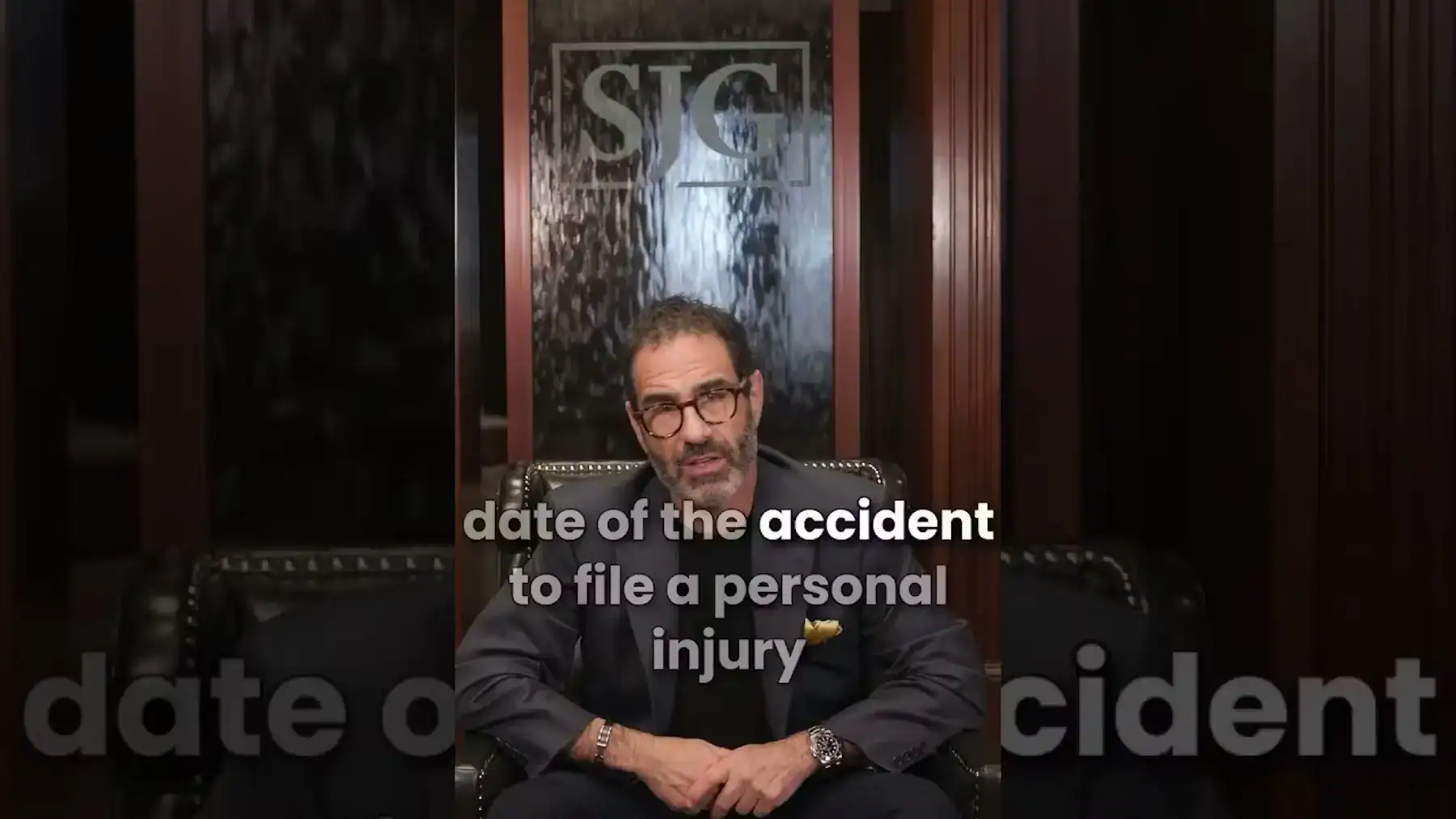
Hear Directly From Trust Guss Injury Lawyers





Trust Guss Injury Lawyers: Ready To Help After a Dallas Truck Accident
A serious truck accident can leave you facing difficult decisions while you’re still recovering from your injuries. Between medical treatment, insurance claims, missed work, and questions about liability, it’s understandable to feel uncertain about what comes next.
Unlike many passenger vehicle accidents, truck accident claims often involve commercial insurance policies, multiple potentially responsible parties, federal trucking regulations, and investigations that continue well beyond the day of the collision.
If you were injured in a Dallas truck accident and are looking for answers, Trust Guss Injury Lawyers is available 24 hours a day, seven days a week to provide a free consultation. Who you trust matters after a serious truck accident, and our team is here to answer your questions, explain your options, and help you move forward with confidence.
Get Your Free Case Evaluation