
Testimonials

We Win or You
Pay Nothing
We have staff standing by at all hours to help you.
Immediate
Medical Care
Receive the treatment you need, as soon as you need it, with usually no out-of-pocket cost to you.
24/7
Access to Us
Speak with a real human being, no matter what time it is.
Client
Satisfaction
Enjoy working alongside a firm with a sterling reputation for 1,400+ 5-Star Google Reviews.
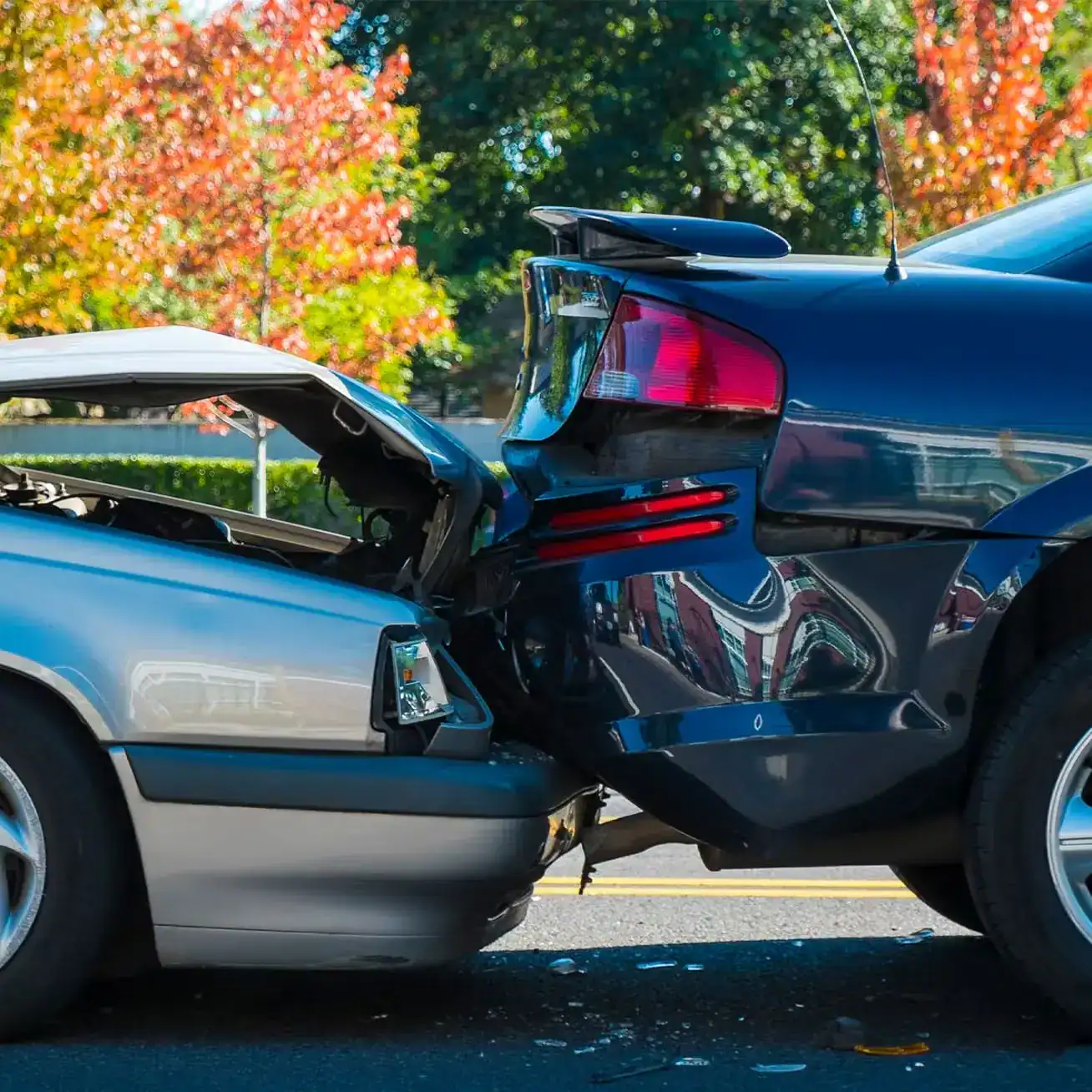
Understanding Rear-End Collisions
Negligence is the primary cause of rear-end collisions, and drivers must maintain a safe distance from the vehicle in front of them and avoid distractions such as texting while driving. It is also crucial to check and maintain your brakes and other car components that affect stopping distance.
Over the past thirty years, Stewart J. Guss Injury Lawyers has helped many Houstonians recover significant damages from an at-fault driver and their insurer. Don’t delay. Call us as soon as possible, as delay may result in loss of evidence and witness memory may fade.
Causes of Rear-End Collisions
Numerous factors can lead to rear-end collisions, and it is crucial to identify the primary causes to prevent future accidents. Common causes include:
- Distracted Driving: Texting, talking on the phone, or fiddling with in-car entertainment systems can divert a driver’s attention, causing them to misjudge distances.
- Speeding: Excessive speed decreases reaction times. When drivers exceed the speed limit, they may not have enough time to stop when traffic slows or stops.
- Tailgating: Following too close during unexpected stops can result in catastrophic consequences. Drivers need to maintain a safe following distance to avoid rear-ending the vehicle in front.
- Weather Conditions: Rain, fog, or icy conditions can compromise vehicle control. Slippery roads increase stopping distances and can lead to collisions.
- Vehicle Malfunctions: Brake failure or tire blowouts can prevent a driver from stopping, resulting in a rear-end collision.
k+
Drivers helped after car accidents.
k+
Clients Helped.
+
Over 25 years of helping drivers with car accidents.
Common Injuries
Rear-end collisions can lead to a wide range of injuries, which often vary in severity based on the speed and circumstances of the accident. Some frequent injuries include:
- Whiplash: This neck injury occurs when the head is thrown forward and backward during a collision. Whiplash can lead to chronic pain and discomfort.
- Back Injuries: Injuries to the back, such as herniated discs, can be debilitating and may require long-term treatment.
- Concussions: Sudden impact can cause the brain to move within the skull, leading to concussions or other traumatic brain injuries.
- Soft Tissue Injuries: These injuries affect muscles, ligaments, and tendons and can result in swelling and pain.
- Psychological Effects: Beyond physical injuries, many victims experience psychological effects, including anxiety and post-traumatic stress disorder (PTSD) following an accident.
Legal Implications
In Texas, determining liability in a rear-end collision can affect the outcome of any injury claims. Texas operates under a modified comparative negligence rule. If a rear-end collision occurs and the victim shares some responsibility, the insurance company may reduce their compensation based on the percentage of fault.
Establishing Negligence
To establish a negligence claim in a rear-end collision, the claimant must demonstrate the following:
- Duty of Care: Every driver is responsible for operating their vehicle according to traffic laws and with safety in mind.
- Breach of Duty: Drivers who engage in reckless behavior, such as speeding or texting, breach their duty of care.
- Causation: The breach of duty must have resulted in the collision and any associated injuries.
- Damages: The victim must show that they suffered damages, such as lost wages, medical expenses, or pain and suffering because of the accident.

What to Do After a Rear-End Collision
If you find yourself involved in a rear-end collision, taking specific steps is crucial:
- Check for Injuries: Ensure everyone involved is safe, and assess injuries. Call emergency services if necessary.
- Scene Documentation: Gather evidence, which includes accident scene photographs, vehicle damage, and any visible injuries.
- Collect Information: Exchange insurance and contact information with the other driver(s) involved.
- Notify Your Insurance Company: Report the accident to your insurer, providing them with all necessary information.
- Consult a Texas Attorney: A knowledgeable attorney can help you navigate the complexities of personal injury claims and maximize your compensation.
Trust Guss After a Rear-End Collision
Rear-end collisions can result in significant physical, emotional, and financial impacts. Understanding the causes, potential injuries, and legal aspects is vital for anyone involved in such accidents. Suppose you or a loved one has suffered from a rear-end collision. In that case, consulting with Stewart J. Guss Injury Lawyers is a wise move.
Trust Guss to advocate for your rights and help you obtain compensation. Don’t face the aftermath of an accident alone; seek professional guidance from a team of experienced car accident lawyers to navigate your recovery journey. Call us at (281) 317-0883 or contact us online to schedule a free case review. You can ask questions about your accident, receive answers, and discuss your options.
Houston Office
12777 Jones Rd #297 Houston, TX 77070Get a Free Consultation
 2 minute response
 24 hours a day, 7 Days a Week
 Dedicated Trust Guss Intake Team
 2 minute response
 24 hours a day, 7 Days a Week
 Dedicated
 "*" indicates required fields