Our Clients Know Who You Trust Matters – Read Their Stories
Home | Car Accidents | T-Bone / Side-Impact Accidents
We Win or You
Pay Nothing
We have staff standing by at all hours to help you.
Immediate
Medical Care
Receive the treatment you need, as soon as you need it, with usually no out-of-pocket cost to you.
24/7
Access to Us
Speak with a real human being, no matter what time it is.
Client
Satisfaction
Enjoy working alongside a firm with a sterling reputation for 1,400+ 5-Star Google Reviews.
Experienced T-Bone Accident Lawyers for Side-Impact Injury Cases
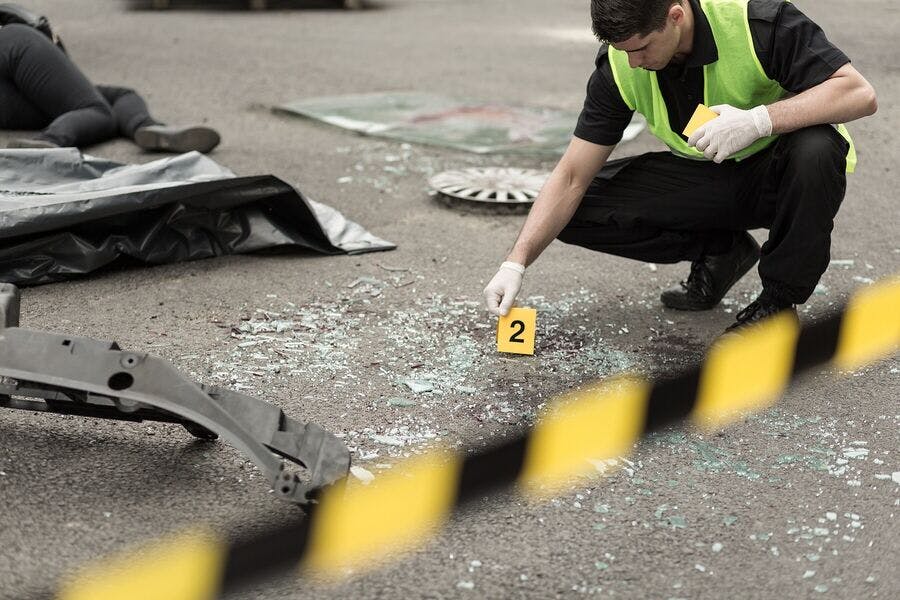
A T-bone accident – sometimes called a side-impact collision – occurs when the front of one vehicle strikes the side of another. These crashes typically happen in intersections where vehicles cross paths.
Unlike front or rear collisions, there is limited structural protection between the occupant and the point of impact. Injuries from a T-bone collision are often severe and can require ongoing medical treatment, time away from work, and prolonged recovery.
If you were injured, began medical care, and are now navigating an insurance claim after a serious side-impact crash, our qualified T-bone accident attorneys can help you understand your options. Trust Guss Injury Lawyers represents injured individuals nationwide – contact us 24/7 for your free case review.
Get Your Free Case EvaluationWhy Side-Impact Accidents Often Cause Severe Injuries
Side-impact collisions differ from other crash types because the occupant is positioned closer to the impact point, with fewer crumple zones between the striking vehicle and the person inside. Even with modern side airbags, the risk of intrusion into the passenger compartment remains higher than in many front or rear collisions.
These factors make T-bone collisions particularly dangerous, according to 2023 data from the National Highway Transportation Safety Administration (NHTSA). They were cited as a contributing factor in more than 7,000 fatal crashes and nearly 500,000 injury-causing accidents across the country.
While “side impact” is sometimes confused with a sideswipe, the two are different. A sideswipe typically involves parallel-moving vehicles. A T-bone collision involves a perpendicular impact that delivers force directly into the side structure of the vehicle.
Common Causes of T-Bone Accidents
Most T-bone accidents occur when one driver enters an intersection without the legal right-of-way. These collisions are common in signal-controlled intersections, stop-sign crossings, and left-turn scenarios.
Common contributing factors include:
- Running red lights or stop signs
- Failing to yield during left turns
- Distracted driving while approaching an intersection
- Speeding through traffic signals
- Misjudging the distance or speed of oncoming vehicles
- Impaired driving
Because these crashes often happen at controlled intersections, determining who had the right-of-way can become central to the claim. Most serious side-impact injury claims depend on both clear liability and available insurance coverage, whether through the at-fault driver’s policy or uninsured/underinsured motorist coverage.
k+
Drivers helped after car accidents.
k+
Clients Helped.
+
Over 25 years of helping drivers with car accidents.
Common Injuries From Being T-Boned
Side-impact crashes frequently result in significant trauma, especially for occupants seated on the impact side. Common injuries include:
- Traumatic brain injuries (TBIs)
- Neck problems, including whiplash
- Spinal cord injuries
- Internal organ damage
- Chest and rib injuries
- Pelvic and hip fractures
- Broken arms and legs on the impact side
- Fatal injuries in wrongful death cases
Prompt medical evaluation and consistent treatment are often important in documenting the extent of side-impact injuries. Review our FAQs about medical treatment after a car accident to learn more about seeking care for injuries after a T-bone collision.

Why Our Experience Matters in T-Bone Accident Cases
T-bone accident claims often involve conflicting accounts about traffic signals and right-of-way. An experienced T-bone accident attorney may assist by:
- Reviewing traffic signal timing, intersection design, and right-of-way rules
- Evaluating whether a red-light violation, improper left turn, or failure to yield contributed to the crash
- Examining police reports, witness statements, and available surveillance footage
- Analyzing roadway layout and visibility conditions
- Coordinating medical documentation to demonstrate injury severity
- Addressing insurance disputes regarding liability and damages
- Preparing the case for litigation if responsibility is contested
Learn more about what to expect during the car accident lawsuit process and how an attorney may help with your T-bone accident claim.
In 2025, Trust Guss Injury Lawyers handled nearly 300 T-bone collision cases. Who you trust matters after a serious injury, and our team focuses on early attorney involvement, technology-forward communication, and accessibility throughout the claim process – all with no upfront costs and 24/7 availability.
Get Your Free Case Evaluation
Get Help From a Trusted Legal Team Near You
Trust Guss Injury Lawyers supports injured drivers and passengers nationwide, with offices in:




Don’t see your city or state? We still encourage you to contact us for a free case review to see how we can support you!
Frequently Asked Questions About T-Bone Accidents
Seek medical evaluation as soon as possible, even if symptoms seem minor (early medical documentation is typically important for serious injury cases). Report the crash to law enforcement and document the intersection, traffic signals, and vehicle positions if you are able. Avoid making statements that could be interpreted as admitting fault before understanding what happened, and consider speaking with a T-bone accident attorney for more clarity.
Check out our FAQs about what to do after a car accident for more information about the steps to take after a T-bone collision.
Fault in a T-bone collision often depends on traffic signals, stop signs, and right-of-way rules at the intersection. A driver who runs a red light or fails to yield is frequently responsible, but each case depends on evidence such as police reports, witness accounts, and available video footage. Because intersection crashes often involve disputed accounts, careful review is typically necessary.
Review our FAQs about car accident insurance claims to learn more about navigating an insurance claim after a T-bone collision.
Compensation may include medical expenses, lost income, reduced earning capacity, pain and suffering, property damage, and long-term care needs. In fatal cases, wrongful death damages may apply. The value of a claim often depends on injury severity, documented treatment, fault clarity, and available insurance coverage.
Learn more about car accident settlements and compensation and what may affect compensation after a T-bone accident.