
What To Do After a Car Accident: FAQs
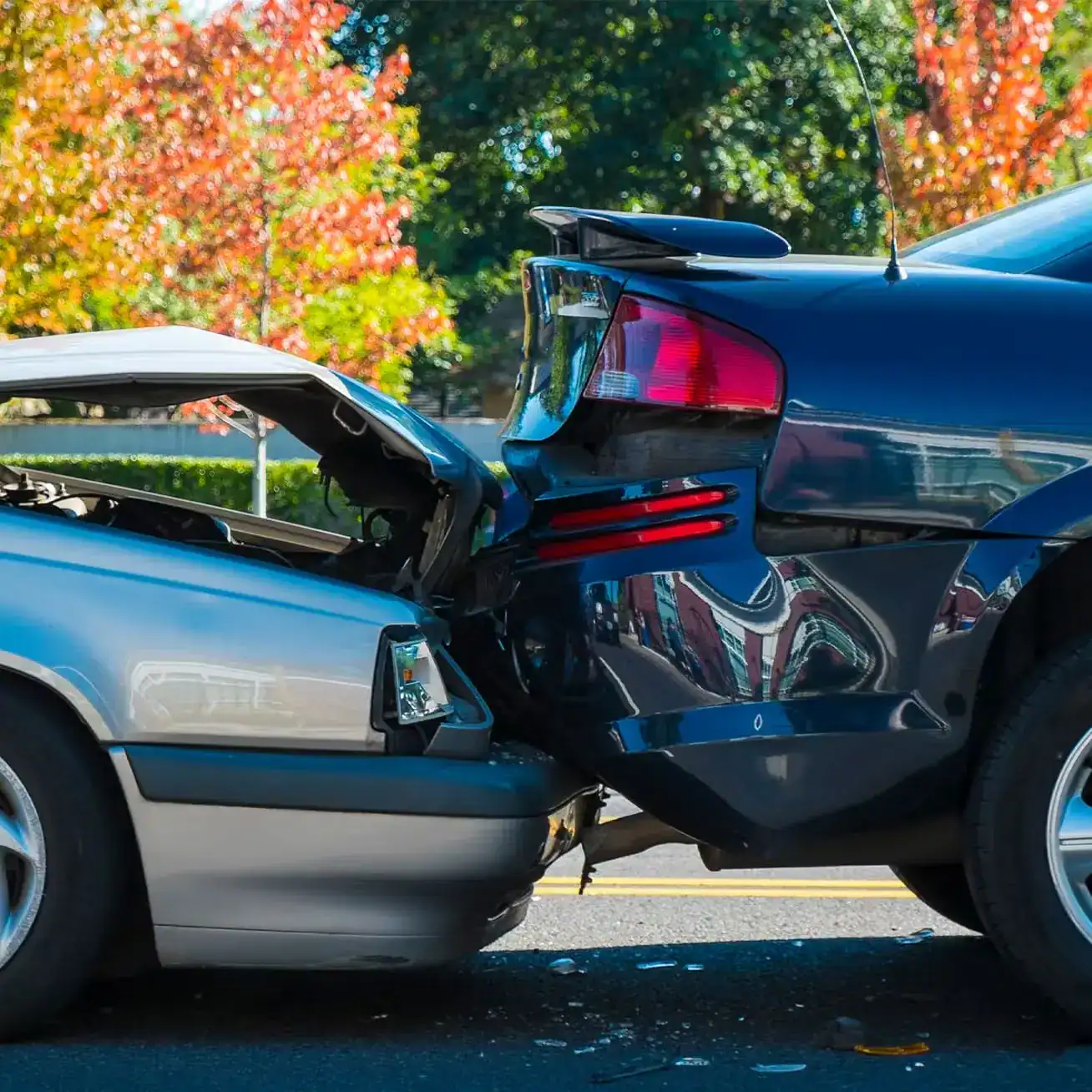
If you’ve just been in a car accident, it’s normal to feel shaken, confused, or unsure about what to do next. Between the shock, paperwork, and phone calls, you might worry about saying or doing the wrong thing. If your accident involved injuries, significant vehicle damage, or insurance disputes, understanding your next steps early can make a meaningful difference.
That’s where we come in! This page answers the most common questions people ask right after a car accident. If you still have questions or want to discuss the details of your car accident with an experienced attorney, we encourage you to reach out to Trust Guss Injury Lawyers for a free consultation.
What Should I Do Immediately After a Car Accident?
The moments right after a crash can feel overwhelming, especially when adrenaline is high and everything is happening at once. Start by making sure you and anyone else involved are safe, then take a breath and focus on documenting what happened. Staying calm and taking these first steps can help protect your health, preserve important information, and reduce confusion later on.
If it’s safe to do so, exchange:
- Names and contact information
- Driver’s license numbers
- Insurance company names and policy numbers
- License plate numbers
Avoid discussing fault or blaming anyone at the scene.
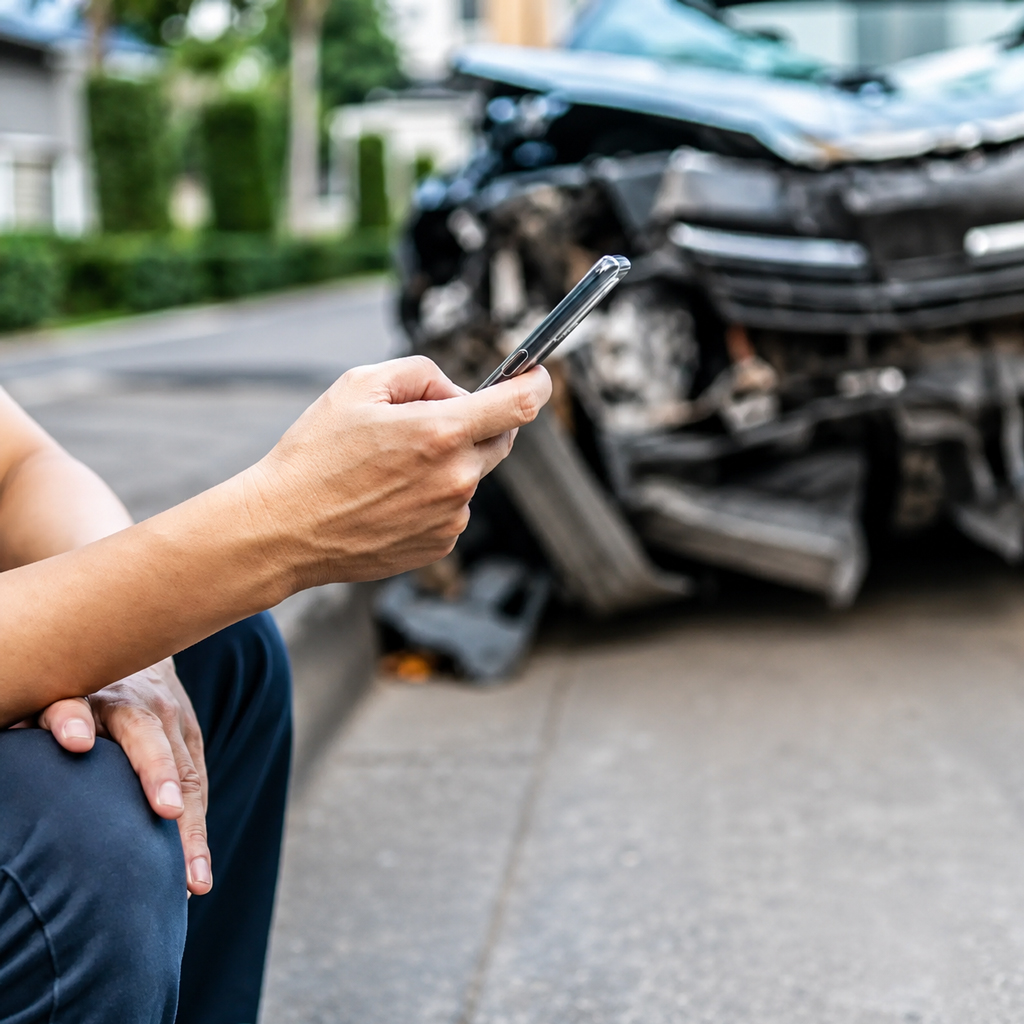
Yes. If you can safely use your phone, document:
- Vehicle damage from multiple angles
- The accident scene and surrounding area
- Skid marks, debris, and traffic signs
- Any visible injuries
In more serious crashes, like those involving airbag deployment, major vehicle damage, or anyone reporting pain, it’s especially important to document everything carefully. Photos can help later if there’s a disagreement about what happened.
However, you should not post photos on social media – you may inadvertently give insurance companies or other parties information to use against you.
Avoid:
- Apologizing or admitting fault
- Guessing about what caused the crash
- Making statements like “I’m fine” if you’re unsure
Even casual comments can be misunderstood later.
You should not leave until:
- Everyone is safe
- Required information has been exchanged
- Police have cleared the scene, if they were called
Leaving too early can cause legal and insurance problems.
What Should I Do if the Accident Wasn’t My Fault?
It’s common to feel frustrated or confused when you believe the accident wasn’t your fault. Even so, what you do next still matters. Taking the right steps, including the key actions listed above, can help protect you if questions about responsibility come up later or if the other driver disputes what happened.
In most cases, yes. A report can create a clear record of the accident and help protect you if the other driver later changes their story.
For more information about what happens after a crash, learn how car accident insurance claims work.
Yes. Many accidents involve shared responsibility. Even if you were partially at fault, you may still have options to recover compensation. That will depend on the details of your situation and your state’s laws regarding fault.
What Should I Do If Someone Was Injured in the Accident?
Seeing someone hurt can be frightening, especially if you’re unsure how serious their injuries are. Your priority should always be safety and getting appropriate emergency help, while avoiding actions that could make injuries worse.
Even if someone refuses care at the scene, you should still report the accident and make note of that fact. These details can be critical if there is a dispute about the accident later.
Only move someone if they’re in immediate danger, such as from traffic or fire. Otherwise, wait for emergency responders.
Should I Go to the Hospital After a Car Accident?
Deciding whether to go to the hospital isn’t always obvious, especially after a crash that seems minor. However, understanding common injury patterns and why medical documentation matters can help you make an informed decision.
Do I Still Need Medical Care if I Feel Fine?
Yes, you may. Some injuries don’t cause immediate pain, and adrenaline can mask symptoms. Paying attention to how you feel in the hours and days after a crash is important.
What if Injuries Show Up Days Later?
It’s common for pain or symptoms to appear days after a crash. Neck, back, and soft tissue injuries are often delayed, which is why it’s important to carefully track any symptoms and seek medical attention if they develop and/or worsen.
What Injuries Are Commonly Missed After Car Accidents?
Some injuries don’t show symptoms right away, including:
- Whiplash and other neck injuries
- Concussions
- Soft tissue injuries
- Internal bruising
These injuries may worsen over time if left untreated.
Will Going to the Hospital Help My Claim?
Potentially. In many injury cases, seeking medical care within the first few days helps create clear documentation linking injuries to the crash. Long delays in treatment can make insurance claims and recovering compensation for your injury more difficult.
Of course, the most important reason to seek care is your health! Don’t delay treatment out of uncertainty.
What if I Don’t Have Health Insurance?
Many people worry about medical costs after a car accident. There may still be options available, and a car accident lawyer can help explain what steps to take next – contact our team 24/7 for more help.
Should I Call the Police After a Car Accident?
Drivers are often unsure when calling the police is necessary. In many cases, having an official report can help document what happened and reduce confusion or disputes later.
Is a Police Report Required?
It depends on the situation and your state’s laws, but a police report can be helpful for insurance and recordkeeping purposes, especially if there are injuries or disagreements.
What Should I Say to the Police After a Car Accident?
When speaking with an officer, focus on sharing basic, factual information about what happened, such as where the accident occurred, which vehicles were involved, and whether anyone is injured.
Try to avoid guessing, speculating, or apologizing. If you don’t know the answer to a question, it’s okay to say you’re not sure. Stick to what you personally saw and experienced, and let the officer handle determining fault based on their investigation.
What if Police Don’t Come to the Scene?
If officers don’t respond, ask the police department or local non-emergency line how to file a report yourself so there’s still documentation of the accident.
How Do I File a Police Report Later?
You can usually file a report online or at a local police station. Keep copies for your records.
What if I Was a Passenger in a Car Accident?
Passengers often feel unsure about their options because they weren’t driving. Even so, passengers may still have rights and potential next steps after a crash.
Yes. Passengers may be able to file claims depending on the circumstances. Some examples include if another driver caused the crash, or if the driver of the car they were riding in had insurance that covers passenger injuries.
This depends on insurance coverage, who was involved in the accident, and the circumstances of it.
In some situations, yes. This depends on the facts of the accident and applicable laws.
Who Should I Talk to First After a Car Accident?
After a crash, insurance companies may reach out quickly. It’s okay to slow things down. Speaking with a car accident lawyer first can help you understand your options before making decisions or giving statements. In cases involving injuries and insurance claims, early guidance can help protect your health and your rights.
At Trust Guss Injury Lawyers, we focus on clarity and trust, because that’s what people need most after an accident. A free consultation means you can talk to a real attorney, ask questions, and get straightforward answers about what to do next. There’s no pressure and no obligation – just a chance to understand your options and decide what feels right for you.
Get Your Free Case Evaluation
More Car Accident FAQs
Looking for more answers? These pages go deeper into specific topics and related FAQs:
Why Clients Across The Country Trust Guss After a Car Accident
Clients often tell us they felt overwhelmed before calling – and relieved afterward. We focus on clear answers, honest guidance, and treating people with respect.
Results That Matter:
k+
Drivers helped after car accidents.
k+
Clients Helped.
+
Over 25 years of helping drivers with car accidents.
Find the Trusted Support You Need After a Car Accident
Trust Guss Injury Lawyers helps injured drivers and passengers across the country deal with the aftermath of a car accident. We have regional offices in:





Don’t see your city or state? We still encourage you to contact us for a free consultation to see how we can help!

Still Not Sure What to Do Next?
You don’t have to decide anything right now. A free consultation means you can ask questions, get clarity, and understand your options in a pressure-free setting. Who you trust matters, and our experienced, dependable team is available 24/7 for your free case review.
Get Your Free Case Evaluation