
Testimonials

We Win or You
Pay Nothing
We have staff standing by at all hours to help you.
Immediate
Medical Care
Receive the treatment you need, as soon as you need it, with usually no out-of-pocket cost to you.
24/7
Access to Us
Speak with a real human being, no matter what time it is.
Client
Satisfaction
Enjoy working alongside a firm with a sterling reputation for 1,400+ 5-Star Google Reviews.
What Are the Different
Types of Truck Accidents?
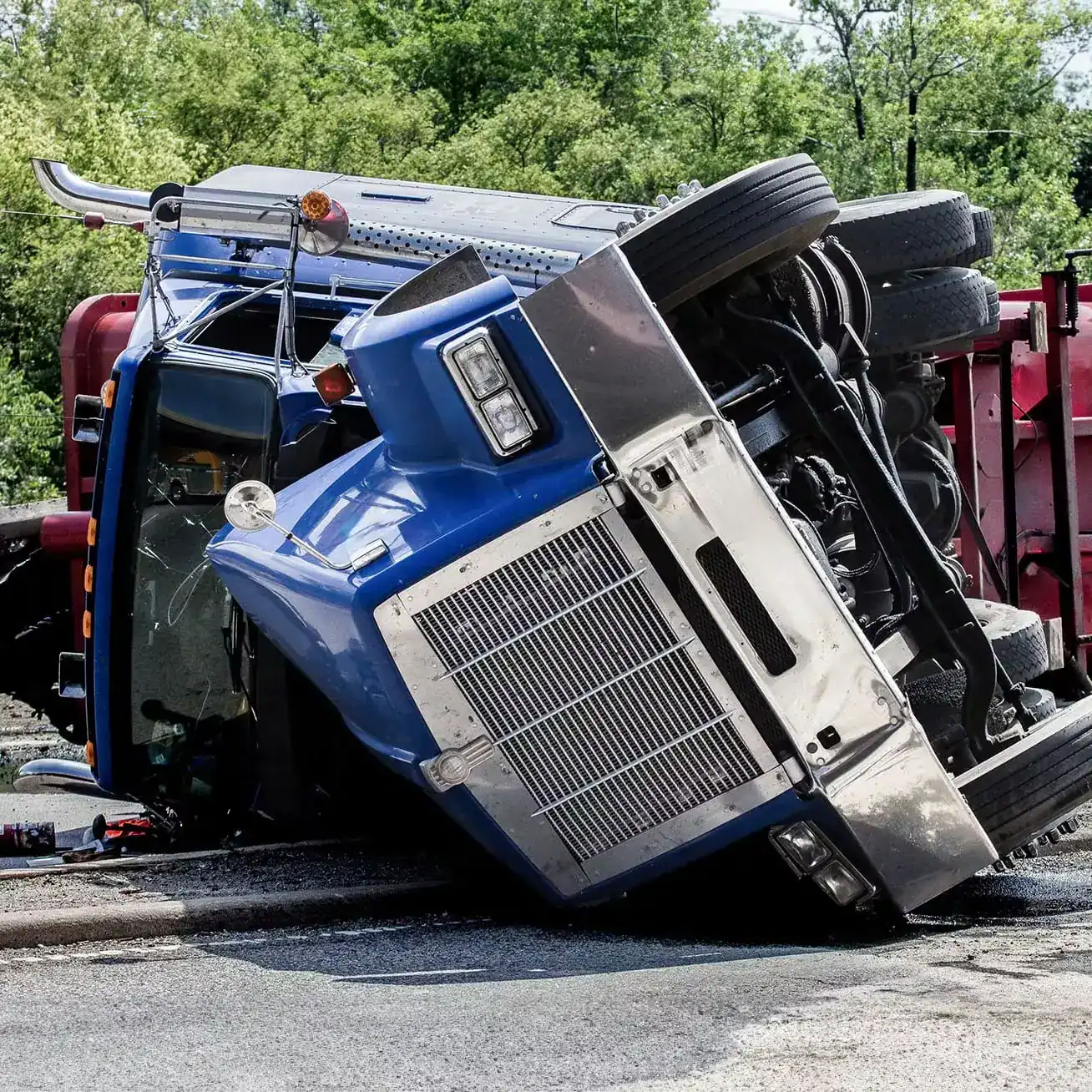
Truck accidents come in many forms depending on the type of vehicle involved. Each type of truck presents unique hazards, often based on their size, cargo, or purpose. Here are some of the more common types of truck accidents:
Delivery Truck Accidents: Involves package trucks like UPS or FedEx on local roads.
Dump Truck Accidents: Large trucks carrying loose materials like gravel or dirt.
Concrete/Cement Mixer Truck Accidents: Trucks transporting wet concrete for construction projects.
Tanker Truck Accidents: Trucks carrying hazardous liquids like gasoline or chemicals.
Flatbed Truck Accidents: Trucks with open trailers transporting large, heavy equipment.
Auto Transporter Accidents: Trucks carrying multiple vehicles, often stacked on trailers.
Garbage Truck Accidents: Waste collection vehicles in residential or urban areas.
Box Truck Accidents: Medium-sized trucks used for moving goods or furniture.
Refrigerated Truck Accidents: Trucks transporting perishable goods in temperature-controlled trailers.
Logging Truck Accidents: Trucks carrying heavy logs, often in rural areas.
Tow Truck Accidents: Trucks towing disabled vehicles, often in congested areas.
Mail Truck Accidents: Government or private vehicles delivering mail, frequently in residential areas.
Heavy Hauler Truck Accidents: Trucks moving oversized loads requiring special permits.
Livestock Truck Accidents: Trucks transporting animals, typically on long rural routes.
Key Factors Behind Truck Accidents
Understanding the leading causes of truck accidents is crucial to prevent these dangerous incidents. Key contributing factors include:
- Driver Fatigue: Truck drivers often face long hours on the road, leading to exhaustion, which impairs reaction time and decision-making. According to the Federal Motor Carrier Safety Administration (FMCSA), driver fatigue is a factor in 13% of truck accidents. Truck accident lawyers frequently investigate violations of federal hours-of-service regulations in fatigue-related accidents.
- Distracted Driving: The use of mobile devices, eating, or even adjusting a radio can divert a truck driver’s attention. The National Highway Traffic Safety Administration (NHTSA) reports that 8% of fatal crashes in the U.S. involve distracted driving, and trucks are no exception. Distracted truck drivers pose a higher risk due to the vehicle’s size and reduced maneuverability.
- Improper Lane Changes: Trucks have large blind spots, and failing to check them or signal lane changes can result in severe collisions. Improper lane changes account for approximately 6% of large truck crashes, often leading to side-impact or underride accidents.
- Poor Vehicle Maintenance: Mechanical failures due to neglected inspections or repairs, such as faulty brakes or tire blowouts, are common causes of truck accidents. The FMCSA states that brake-related issues account for 29% of truck crashes, underscoring the importance of proper vehicle upkeep.
- Overloading: Exceeding the weight limits for cargo makes trucks more difficult to control and increases stopping distances. The likelihood of rollovers and brake failures rises significantly when trucks are overloaded, making this a frequent factor in accidents.
- Adverse Weather Conditions: Trucks require longer stopping distances, and rain, snow, or ice can exacerbate these challenges. According to the FMCSA, 23% of truck crashes are weather-related, with wet or icy roads being the most common conditions that lead to loss of control.
- Intoxication (Alcohol and Drugs): Driving under the influence of alcohol or drugs—whether prescription, illegal, or over-the-counter—impairs judgment, reaction time, and coordination. The FMCSA reports that alcohol and drug impairment contributes to 2.5% of truck crashes, with commercial drivers held to stricter standards for sobriety.
- Blind Spots (“No-Zones”): Trucks have large blind spots on all sides, particularly around the rear and sides of the trailer. Failure to check these blind spots before making lane changes or turns can lead to serious side-impact or underride accidents, posing significant risks to nearby vehicles.

Injuries Frequently Sustained in Truck Accidents
The injuries sustained in a collision with a commercial truck are often catastrophic, resulting in long-lasting consequences for victims. The sheer size and weight of commercial trucks can lead to severe trauma, including:
- Soft Tissue Tears, Sprains, or Strains: These injuries can cause stiffness and limit your range of motion in various parts of your body, and the pain can worsen in the days following the accident, making it difficult to work or complete everyday tasks.
- Neck and Back Injuries: Injuries to the neck and back can have a significant impact on your ability to work, exercise, or perform everyday activities, often requiring a long course of physical therapy.
- Dislocations/Fractures: Dislocated joints can be excruciating and may require immobilization for a period to heal. Fractures can be extremely painful and may require intensive medical treatment, including surgery and traction, and can lead to chronic problems and permanently weakened bones.
- Facial Injuries: Facial fractures can not only alter a person’s appearance but also cause issues with breathing, eating, drinking, seeing, and hearing.
- Traumatic Brain Injury (TBI): Blows to the head can result in traumatic brain injuries, ranging from concussions with severe symptoms to more severe injuries with permanent disabilities.
- Spinal Cord Injury: These injuries can lead to numbness, muscle weakness, pain, loss of range of motion, and even complete paralysis, and are typically permanent and devastating.
- Internal Organ Damage: Truck accident victims may suffer damage to vital organs, requiring emergency trauma care and often immediate surgical repair.
- Internal Bleeding: This serious condition can occur without the victim’s awareness and may require surgical intervention to release dangerous pressure in the skull cavity.
Each of these injuries can lead to substantial medical bills, long-term treatment, and a significant impact on the victim’s quality of life.
k+
Drivers helped after car accidents.
k+
Clients Helped.
+
Over 25 years of helping drivers with car accidents.
Legal Implications for Victims
Truck accident victims face many legal implications that can impact their recovery process. Due to the complexities involved, determining liability is often a critical step in seeking compensation. Primary parties liable may include the truck driver, the trucking company, and even manufacturers of truck parts that may have failed. Victims may pursue various claims, such as personal injury, property damage, and lost wages, necessitating thorough documentation of medical expenses, accident reports, and employment impacts. Filing a claim within the specified statute of limitations is crucial, as delays can result in forfeiting the right to seek compensation.
Trust Guss to Help You Recover Maximum Compensation
When faced with the aftermath of a truck accident, having an experienced advocate by your side can make a profound difference in securing the compensation you deserve. The team at Stewart J. Guss Injury Lawyers understands the intricacies of truck accident cases and dedicates itself to protecting your rights. With a focus on gathering evidence, negotiating with insurance companies, and navigating the legal landscape, you can Trust Guss to work hard to build a strong case on your behalf.
Rest assured that your case is in capable hands, allowing you to focus on recovery while pursuing maximum compensation for your medical expenses, lost wages, and other damages incurred due to the accident. Contact us today to schedule a consultation and take the first step toward recovering and reclaiming your life.
Houston Office
12777 Jones Rd #297 Houston, TX 77070Get a Free Consultation
 2 minute response
 24 hours a day, 7 Days a Week
 Dedicated Trust Guss Intake Team
 2 minute response
 24 hours a day, 7 Days a Week
 Dedicated
 "*" indicates required fields