


Car Accident Settlements & Compensation: FAQs
After a car accident, it’s normal for your focus to shift quickly to financial questions. Medical bills, missed work, and uncertainty about the future can create real stress, especially when insurance companies start talking about settlements. This page answers the most common questions people have about car accident compensation and settlement decisions.
Settlement value is heavily influenced by the seriousness of the injury and the available insurance coverage, and we commonly help people whose accidents involve documented injuries, medical treatment, and an active insurance claim. If you still have questions or want to review a settlement offer with an attorney, Trust Guss Injury Lawyers is available 24/7 to help with a free, no-pressure consultation.
How Much Is My Car Accident Case Worth?
There is no one-size-fits-all answer. The value of a car accident case depends on how the accident affected you physically, financially, and emotionally. Some cases resolve for relatively small amounts, while others may involve substantial compensation.
In many cases, the largest factors affecting value are the severity of the injury, how quickly treatment began, whether care was consistent, and the amount of available insurance coverage.
Each case is evaluated on its own facts, and settlement value is often influenced by:
- The type and severity of your injuries
- Medical treatment and recovery time
- Whether injuries are temporary or long-term
- Time missed from work or reduced earning ability
- Pain, discomfort, and daily life disruption
- How clearly fault can be established
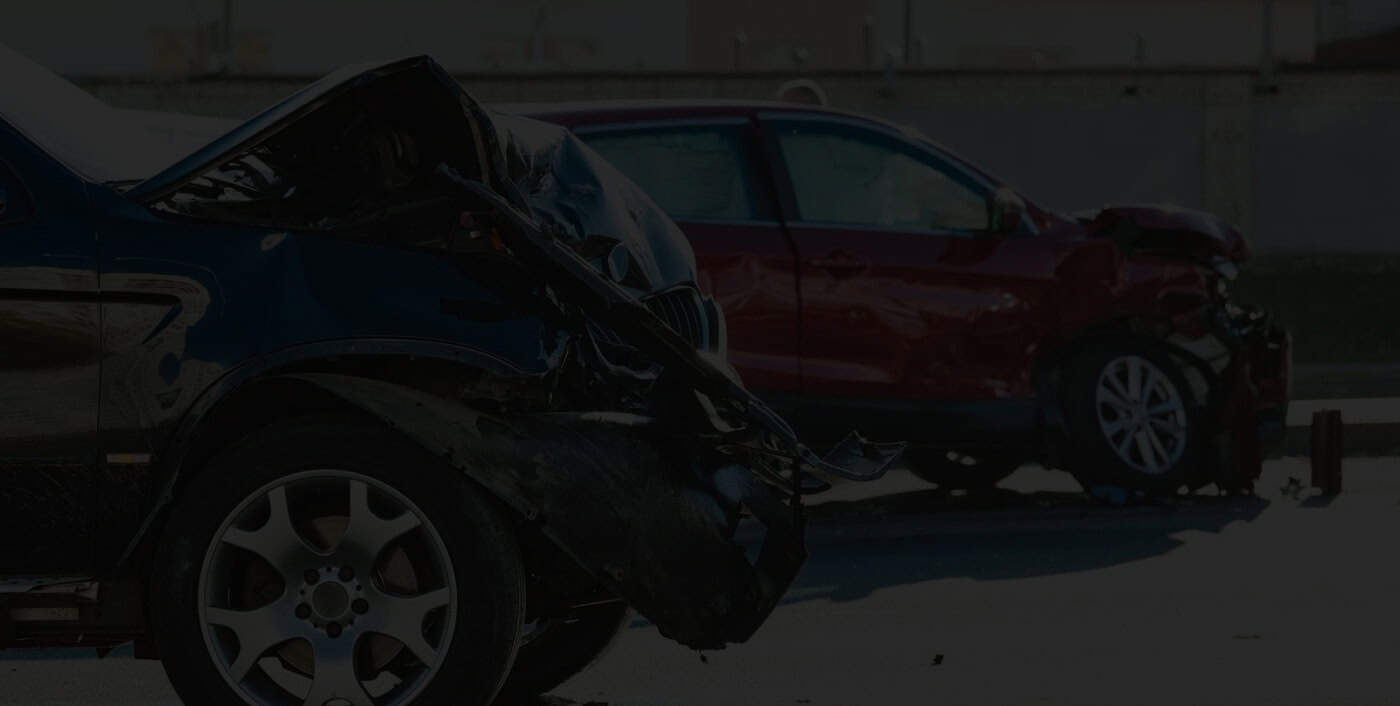
Yes Injury severity typically drives settlement value, but significant vehicle damage (such as airbag deployment or major structural impact) often helps support the seriousness of the crash.
Fault can affect how much compensation may be available. If responsibility is disputed or shared, settlement amounts may be reduced depending on the facts and applicable state laws. Some states allow you to recover compensation even if you share some fault for your accident, while others make it more difficult if you share blame for the accident.
Yes. Even accidents that look similar on paper can result in very different settlements based on injuries, recovery, treatment, and how the accident affects someone’s ability to live and work normally.
What Is Considered a Good Car Accident Settlement Amount?
A good settlement is one that reasonably accounts for medical expenses, lost income, and the physical and emotional impact of the accident. What feels fair will vary depending on the person and the injuries involved.
There is no true average settlement that applies to everyone. Settlement amounts vary widely based on injury severity, treatment, and the overall impact of the accident. It’s also important to understand that many settlements are limited by the amount of available insurance coverage.
While the outcome of your case will depend on the factors above, it’s worth noting the Insurance Information Institute reported that in 2024, the national average auto liability claim for property damage was $6,770, and the national average auto liability claim for bodily injury was $28,278.
Neck and back injury settlements can vary significantly. Factors often include diagnosis, length of treatment, whether symptoms persist, and how the injury affects work and daily activities.
No. There is no guaranteed or minimum settlement amount after a car accident. Each case depends on its specific circumstances and available insurance coverage.
Yes. If a settlement does not account for future medical needs, ongoing pain, or time missed from work, it may not fully resolve your losses. Once a settlement is accepted, it usually cannot be reopened.

How Is Pain and Suffering Calculated After a Car Accident?
Pain and suffering refers to the physical pain and emotional effects caused by an accident. There is no single formula, and compensation is evaluated based on how injuries affect your daily life.
What Qualifies as Pain and Suffering?
Pain and suffering may include:
- Physical pain or discomfort
- Emotional distress or anxiety
- Sleep problems
- Loss of enjoyment of daily activities
- Temporary or lasting lifestyle limitations
How Is Pain and Suffering Proven?
Pain and suffering is commonly supported by medical records, treatment history, and consistent reporting of symptoms. Documentation helps show how injuries affect you over time.
Can Pain and Suffering Exceed Medical Bills?
Yes. In cases involving serious or long-term injuries, pain and suffering compensation may exceed medical expenses. In minor injury cases with limited treatment, compensation is often more modest.
Is Pain and Suffering Calculated Using a Multiplier?
Sometimes, insurance companies use a rough internal method called a multiplier when evaluating pain and suffering. But it’s not a required formula, and it’s not the law.
A multiplier typically means taking medical expenses and multiplying them by a number (often between 1 and 5) based on factors like injury severity, recovery time, and how the injury affects daily life. More serious or long-lasting injuries may justify a higher multiplier, while minor injuries may result in a lower one.
Insurance companies may rely on multipliers for convenience, but settlements are negotiated based on the full picture of your injuries, treatment, and long-term effects.
How Long Do Car Accident Settlements Take?
Settlement timelines vary. Some cases resolve within months, while others take longer depending on injuries, treatment, and negotiations.
How Long Does an Insurance Company Have to Settle a Claim?
While there are legal and procedural guidelines, which can vary by state, insurers do not always settle quickly. Claims may remain open while treatment is ongoing or liability is disputed.
What Delays a Car Accident Settlement?
Common reasons include:
- Ongoing medical treatment
- Disagreements about fault
- Requests for additional documentation
- Negotiations over settlement value
Does Hiring a Lawyer Speed Up Settlement?
Not always, but legal representation can help prevent unnecessary delays and protect against accepting an offer too early.
Can a Settlement Happen Without a Lawsuit?
Yes. Many car accident cases settle without a lawsuit, particularly when liability is clear and injuries are well documented.

Why Do Car Accident Settlements Take So Long?
Settlements often take time because the full impact of injuries and related expenses isn’t always known right away. Rushing the process can result in undervaluing a claim. Similarly, questions about fault can be complex depending on the situation and the number of liable parties involved, which adds time to the process.
Should I Accept the First Insurance Settlement Offer?
First offers are often lower than what a claim may be worth. Accepting too soon can mean giving up compensation for future medical care or ongoing pain. An experienced car accident attorney can help you determine if an initial offer is worth accepting – contact us 24/7 for your free consultation.
Why Is the First Insurance Offer Usually Low?
Early offers are sometimes made before the full extent of injuries and expenses is known.
What Happens If I Reject the First Settlement Offer?
Rejecting an offer usually leads to further negotiation. It does not automatically mean your case will go to court.
Can I Negotiate a Settlement Myself?
Some people choose to negotiate on their own, but it’s important to understand the long-term impact of injuries before agreeing to any amount.
When Does Rejecting an Offer Lead to a Lawsuit?
A lawsuit may be considered if negotiations stall or disputes cannot be resolved, but many cases still settle before trial.
How Can I Maximize My Car Accident Settlement?
Settlement value is strongly influenced by:
- Seeking medical care promptly (ideally within days of the accident)
- Avoiding long gaps in treatment
- Following medical recommendations
- Having clear documentation linking injuries to the crash
Delays of several weeks or months before starting treatment can significantly reduce settlement value because insurance companies question whether injuries were caused by the accident.
What Mistakes Reduce Settlement Value?
Common mistakes include:
- Delaying treatment
- Missing medical appointments
- Inadvertently admitting fault while communicating with other parties like the police or insurance companies
- Accepting a settlement before recovery is complete
Does Delaying Medical Treatment Hurt My Claim?
Yes. Waiting weeks or months to begin treatment can significantly reduce settlement value. Insurance companies often argue that delayed care suggests injuries were minor or unrelated to the crash.
Learn more about medical treatment after a car accident by checking out these related FAQS.
Can Social Media Hurt My Settlement?
Yes. Posts can be taken out of context and used to question injury claims.
Does Having a Lawyer Increase Settlement Value?
Every case is different, but legal guidance can help ensure all losses are considered before a settlement is accepted. Check out these FAQs to see other common questions about working with a lawyer.

Are Car Accident Settlements Taxable?
Many car accident settlements are not taxable, though some portions may be depending on the situation. A tax professional can provide guidance.
What Happens If the Other Driver Has No Insurance?
Most car accident settlements depend on available insurance coverage. If the at-fault driver has no insurance and you do not carry uninsured motorist (UM/UIM) coverage, recovery options may be limited.
You can learn more about car accident insurance claims by reviewing these related FAQs.
In some situations, yes, though recovery may depend on the driver’s ability to pay.
Collecting compensation can be difficult if the driver has no assets, which is why insurance coverage often matters.
Some policies include uninsured or underinsured motorist coverage, which may apply.
Even if the at-fault driver can’t be identified, a hit-and-run accident may still involve an insurance claim. In some situations, your own insurance policy may provide coverage for injuries and damages caused by an unidentified driver. What’s available often depends on the details of the accident, the type of coverage you carry, and whether the crash was reported and documented.
More Car Accident FAQs
Looking for more answers? These pages cover common questions about related topics:
Why People Nationwide Trust Guss After a Car Accident
Many clients tell us they were stressed and unsure before reaching out, but they felt more at ease once they did. We prioritize straightforward answers, honest communication, and treating every person with dignity throughout the process.
Results That Matter:
k+
Drivers helped after car accidents.
k+
Clients Helped.
+
Over 25 years of helping drivers with car accidents.
Find Trusted Legal Support After a Car Accident
Trust Guss Injury Lawyers helps injured drivers and passengers across the country. We have offices in:





Even if you don’t see your state listed above, we still encourage you to contact us for a free consultation to see how we can help!

Have More Questions About Your Case?
You don’t have to decide anything right now. Our free consultation gives you the chance to ask questions, review a settlement offer, and understand your options in a pressure-free setting. When the stakes are high, who you trust matters.
Get Your Free Case Evaluation