
Testimonials

We Win or You
Pay Nothing
We have staff standing by at all hours to help you.
Immediate
Medical Care
Receive the treatment you need, as soon as you need it, with usually no out-of-pocket cost to you.
24/7
Access to Us
Speak with a real human being, no matter what time it is.
Client
Satisfaction
Enjoy working alongside a firm with a sterling reputation for 1,400+ 5-Star Google Reviews.
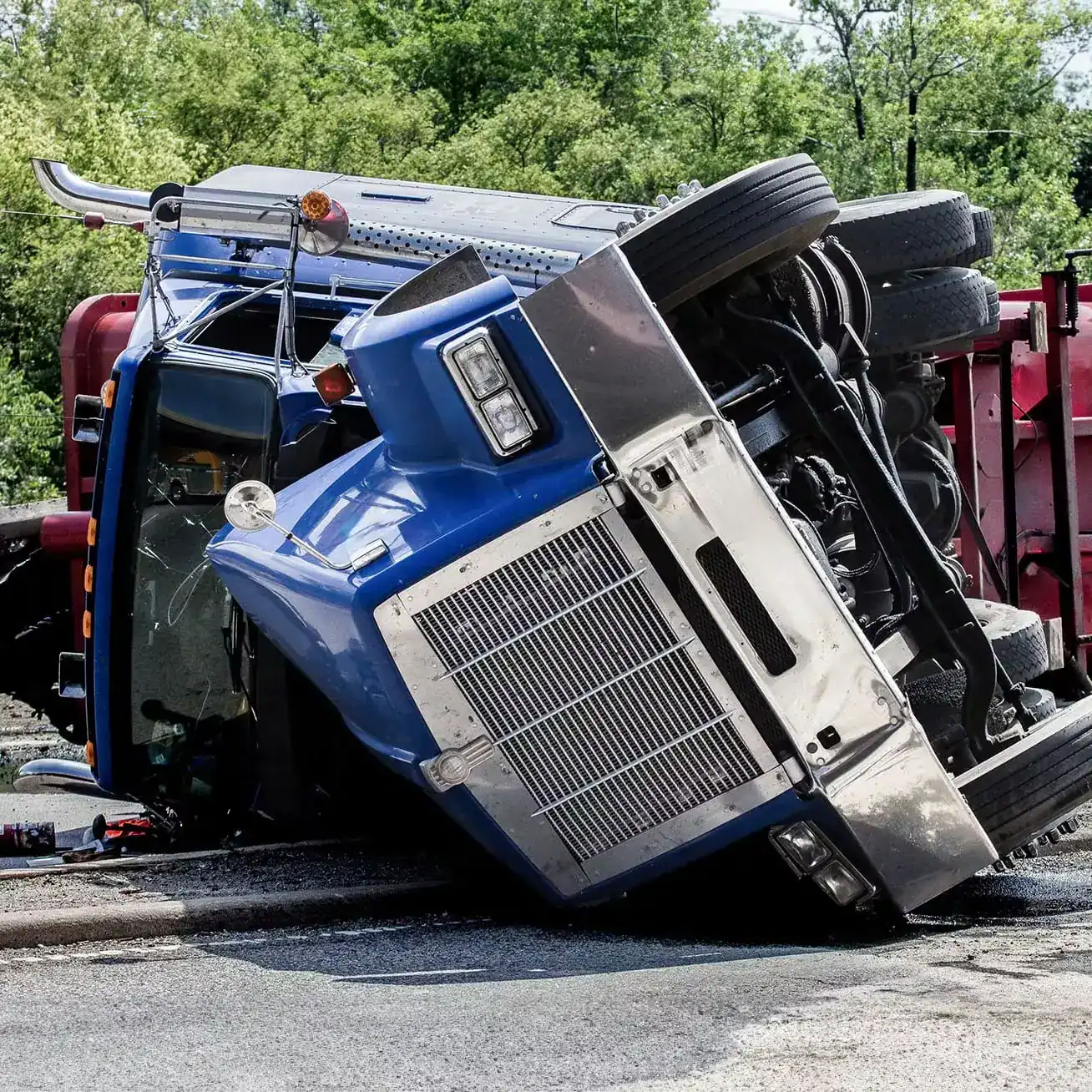
CNA may not be a household name like State Farm or Progressive, but it is one of the largest commercial property and casualty insurance companies in the United States. In 2025, CNA Financial reported approximately $11.1 billion in net written premiums and $1.3 billion in net income, reflecting the massive scale of the commercial insurance operations behind the company.
Since CNA primarily serves businesses and professionals, truck accident victims may only encounter the company after crashes involving commercial trucks, company vehicles, and other business-owned vehicles. These claims can become complicated quickly. Depending on the circumstances, an investigation may involve the truck driver, trucking company, employer, vehicle owner, maintenance provider, cargo company, or other businesses connected to the vehicle.
Trust Guss Injury Lawyers has experience handling CNA insurance claims and understands the additional questions that can arise after a serious commercial truck crash. If you’ve been injured in a truck accident involving CNA Insurance, our team is available 24/7 at locations across the country to answer your questions and review your case for free.
Request Your Free Case ReviewCNA Insurance at a Glance
| Founded | 1897 |
| Headquarters | Chicago, Illinois |
| Primary Focus | Commercial property and casualty insurance |
| Net Written Premiums | ~$11.1 billion (2025) |
| Net Income | ~$1.3 Billion (2025) |
| Auto Insurance | Yes (Commercial) |
| Mobile Claims Available | Yes |
| Nationwide Coverage | Yes |
| Global Presence | 59 offices in 11 countries |

Key Takeaways for CNA Insurance Auto Claims
If you’re dealing with CNA after a commercial truck accident, understanding what can make these claims different may help you better prepare for the process ahead.
- Technology may assist with claim evaluation. Claims evaluation software such as Colossus® has historically been used within the insurance industry to help claims professionals review injury claims. Because these systems are proprietary and their use can change over time, it’s more useful to understand how technology may support an evaluation than to assume a computer determines the outcome of every CNA claim.
- Commercial truck claims may involve multiple parties. Depending on what caused the accident, the truck driver, trucking company, employer, vehicle owner, maintenance provider, cargo company, or another business could become part of the investigation.
- More evidence may be available after a truck accident. Driver records, electronic logging device data, maintenance and inspection documents, company policies, dashcam footage, cargo records, and other information may help explain how and why a crash occurred.
- Serious injuries can make damages more complicated to evaluate. A severe truck accident may involve future medical care, reduced earning capacity, long-term physical limitations, and other losses that aren’t necessarily clear immediately after the crash.
- An early settlement offer may arrive before the full picture is known. When treatment is ongoing or the long-term effects of an injury remain uncertain, it’s important to understand what an offer accounts for before resolving the claim.
- Some CNA claims may ultimately involve litigation. Disagreements about responsibility, injuries, damages, insurance coverage, or the value of a claim can sometimes lead to a lawsuit. Filing a lawsuit, however, does not necessarily mean a case will proceed to trial.
Let’s take a closer look at these issues and what they can mean when you’re pursuing a CNA insurance claim after a serious truck accident.
Technology May Play a Role in How CNA Evaluates Claims
Insurance companies have long used technology to help organize and evaluate injury claims. One well-known example is Colossus, a claims evaluation program that uses information entered by claims professionals to help assess bodily injury claims.
Insurers generally do not disclose every detail of their current claims systems, so you should not assume that Colossus – or any particular software program – determines the outcome of a CNA claim. What these tools do illustrate, however, is how an injury can be translated into data points as part of an insurance company’s evaluation process.
How Claims Evaluation Software Can Affect Your Injury Claim
Claims software can help organize and analyze information about an accident and the resulting injuries. Depending on the system and information provided, that may include factors such as:
- The type and severity of the injuries
- Medical treatment and expenses
- Length of treatment
- Whether injuries affect a person’s ability to work
- Whether an injury causes lasting limitations
- Documentation supporting the claimed losses
Technology can process information consistently, but a serious truck accident is more than a collection of medical codes, bills, and treatment dates. Software cannot experience what it means to live with chronic pain, lose independence, miss months of work, or realize that an injury may change what you can do for the rest of your life.
That distinction can be especially important after catastrophic injuries. Someone living with a traumatic brain injury, spinal cord injury, permanent impairment, or another life-changing condition may face years of medical care, changes in earning ability, and limitations that affect relationships, routines, and everyday activities. These consequences deserve to be understood as part of the whole person, not simply as fields entered into a claims system.
Why Documentation Matters in a CNA Truck Accident Claim
If technology is used to help evaluate a claim, the information available to that system is only part of the picture. Medical records, bills, employment records, evidence of future treatment needs, and documentation showing how an injury affects everyday life can help provide a fuller account of what the accident has cost you.
This is particularly important after a serious truck accident, when recovery may continue long after the initial claim investigation begins. An injury’s future impact may not be clear in the first weeks or months, and resolving a claim too early can mean making a permanent decision before those long-term effects are reasonably understood.
If you’re unsure what records to keep or how to document the effects of your injuries after a truck accident, our Truck Accident Medical Treatment FAQs and What to Do After a Truck Accident FAQs offer additional guidance on medical care, evidence, and other steps that may help protect your claim.
CNA Truck Accident Claims Can Involve More Than One Responsible Party
After a crash involving a commercial truck, the driver may be only one part of the story. Trucking is a business operation, and several companies may have played a role in putting that vehicle on the road, maintaining it, loading it, or deciding how and when it would be driven.
Depending on what caused the accident, potentially responsible parties may include:
- The truck driver: Speeding, distracted driving, fatigue, impairment, or other unsafe driving behavior may contribute to a crash.
- The trucking company or employer: Hiring, training, supervision, scheduling, and other company practices may become relevant when investigating why a collision occurred.
- The truck or trailer owner: The company that owns the equipment may be different from the business operating it, creating additional questions about responsibility.
- Maintenance and repair companies: When brakes, tires, steering components, or other equipment fail, maintenance and inspection records may help determine whether the vehicle was properly serviced.
- Cargo loaders or shippers: Overloaded, unbalanced, or unsecured loads can affect a truck’s handling or create hazards when cargo falls into the roadway.
- Manufacturers: A defective truck, trailer, or component may contribute to some accidents.
- Other drivers or businesses: Multi-vehicle collisions and commercial arrangements involving contractors can introduce additional parties whose actions need to be investigated.
Why Multiple Parties Can Drastically Impact a CNA Claim
When several people or companies may share responsibility, the insurance picture can become more complicated as well. Different businesses may have separate policies, insurers, and legal teams, and they may disagree about whose actions caused the crash or how responsibility should be divided.
This can also mean that identifying the CNA policy is only one part of understanding the available insurance coverage. Another company connected to the crash may have separate coverage that becomes relevant depending on its role and the applicable law.
Determining who may be responsible therefore requires looking beyond the name on the insurance paperwork. The relationships between the driver, motor carrier, vehicle owner, contractors, and other businesses can all help establish how the trucking operation worked and where responsibility may lie.
If you have questions about fault after a commercial truck crash, these related FAQS can provide more information about how responsibility may be investigated and what happens when multiple parties contribute to an accident.
CNA Commercial Truck Claims Often Require More Evidence
A serious truck crash can leave behind evidence that would never exist in a typical two-car accident. Beyond the police report, photographs, and medical records, important information may be held by the trucking company, vehicle owner, contractors, or other businesses involved in the operation.
Depending on the circumstances, a truck accident investigation may involve:
- Electronic logging device (ELD) data: Driving and duty-status records may help determine how long the driver had been working and whether fatigue should be investigated.
- Driver qualification records: Employment, licensing, training, and other records may provide information about the driver’s qualifications and history.
- Maintenance and inspection records: Service histories can help identify problems involving brakes, tires, steering systems, or other equipment.
- Electronic vehicle data: Information recorded by onboard systems may provide details about the truck’s operation before or during the collision.
- Dashcam or other video footage: Available recordings may provide another perspective on how the crash happened.
- Dispatch and company communications: Messages, schedules, and instructions may shed light on the circumstances surrounding the driver’s trip.
- Cargo records: Loading documents and other records may become important when an unsecured load, overloaded trailer, or shifting cargo contributed to the crash.
- Truck and trailer records: Ownership, inspection, coupling, and maintenance information may be relevant when investigating equipment problems or a runaway trailer accident.
Some Important Evidence May Be Outside Your Control
One challenge is that an injured person may not have direct access to many of these records. Relevant information could be held by the motor carrier, an employer, a maintenance contractor, a cargo company, or another business connected to the truck.
Records may also be kept for different periods of time depending on what they are and which rules apply. That makes identifying potentially useful evidence early an important part of investigating a serious truck accident.
Working with a qualified truck accident lawyer can help you determine what information may exist, identify who controls it, and take appropriate steps to seek records that could help establish how the crash occurred.
If you have questions about evidence, reporting the collision, or other steps to take after a commercial truck crash, our What to Do After a Truck Accident FAQs provide additional information that may help.
Settlement Offers May Not Reflect the Full Impact of Serious Injuries
After a truck accident, receiving a settlement offer can feel like progress, especially when medical bills are accumulating and injuries have kept you away from work. But an offer made while you are still recovering may not account for everything the accident will ultimately cost you.
This is particularly important in serious truck accident cases. Before the long-term effects of an injury are reasonably understood, it may be difficult to know the full extent of:
- Future medical care: Surgery, rehabilitation, medication, assistive devices, or ongoing treatment may be necessary.
- Lost earning capacity: A lasting injury may affect not only the work you have already missed, but also your ability to earn income in the future.
- Permanent limitations: Brain injuries, spinal cord damage, amputations, and other severe injuries can change a person’s mobility, independence, and daily routines.
- Pain and suffering: The physical and personal effects of an injury may continue well beyond the initial treatment period.
- Future support needs: Some people may require modifications to their home, assistance with daily activities, or other forms of long-term support.
Why Some CNA Truck Accident Claims Lead to Litigation
Many insurance claims are resolved through negotiation, but some disputes cannot be settled that way. In a CNA truck accident claim, litigation may become necessary when the parties disagree about who caused the crash, the extent of the injuries, the amount of compensation warranted, or whether particular insurance coverage applies.
Filing a lawsuit does not necessarily mean a case will go to trial. Negotiations can continue while a lawsuit is pending, and a resolution may still be reached before a judge or jury is asked to decide the case.
Why Might a CNA Truck Accident Claim Be Disputed?
Several issues can make it harder for the parties to agree on a resolution, including:
- Disputed liability: CNA or another insurer may challenge who caused the accident or argue that responsibility should be shared among multiple parties.
- Disagreements about injuries: Questions may arise about whether particular injuries resulted from the crash, how serious they are, or whether they will cause lasting limitations.
- Different assessments of damages: The parties may disagree about future medical expenses, lost earning capacity, pain and suffering, or other losses.
- Multiple businesses and insurers: A truck crash involving a motor carrier, vehicle owner, contractor, cargo company, or other business can create disputes over each party’s role and insurance coverage.
- Policy or coverage questions: The parties may disagree about which policies apply or how particular coverage provisions affect the claim.
What Changes After a Lawsuit Is Filed?
Litigation creates a formal process for developing the evidence in a case. Depending on the circumstances and applicable court rules, the parties may exchange documents, submit written questions, take sworn testimony, obtain records from third parties, and work with specialists who can address technical or medical issues.
This process can be particularly significant in a commercial truck case. Records concerning the driver, vehicle, maintenance, cargo, company practices, and other aspects of the trucking operation may help clarify issues that remained disputed during the insurance claim.
If the parties still cannot reach an agreement, the case may ultimately proceed to trial. Trust Guss Injury Lawyers prepares cases with litigation in mind when necessary while continuing to evaluate opportunities for a fair resolution.
For more information about lawsuits and the claims process after a commercial truck crash, visit our Truck Accident Legal Process FAQs.

How Long Does a CNA Insurance Claim Take?
One of the most common questions after a serious truck accident is how long the insurance claim will take.
There is no single answer. A claim involving vehicle damage alone may move relatively quickly, while a serious injury claim can require much more time. With a commercial truck accident, CNA may also need to consider information involving the trucking company, driver, vehicle, other businesses, and potentially multiple insurance policies.
That added complexity can extend the process. It doesn’t necessarily mean something has gone wrong with your claim. In many cases, it simply means there is more information to gather before responsibility and damages can be fully evaluated.
For more information about navigating the insurance process, our Truck Accident Insurance & Claims FAQs provide additional guidance.
Typical Timeline of a CNA Truck Accident Claim
| Claim Stage | What Typically Happens | How You Can Prepare |
|---|---|---|
| Claim Reporting | The accident is reported, and CNA gathers initial information about the crash and the parties involved. | Keep photographs, insurance information, the crash report, and other important records together. |
| Investigation | CNA may review crash reports, photographs, witness accounts, vehicle information, and other available evidence. A commercial truck claim may involve additional company or vehicle records. | Continue preserving evidence and keep copies of correspondence related to the accident. |
| Medical Treatment | When injuries are involved, additional medical records become available as treatment and recovery continue. | Follow your healthcare provider’s recommendations and keep your medical records and bills organized. |
| Claim Evaluation | CNA reviews liability, injuries, damages, applicable coverage, and the documentation supporting the claim. | Make sure your current losses and reasonably supported future needs are documented. |
| Settlement Discussions | Once enough information is available, the parties may begin or continue negotiations over a possible resolution. | Review any offer carefully and understand what accepting it would mean for your claim. |
| Claim Resolution | The claim may be settled, denied, or continue through litigation when the parties cannot reach an agreement. | Keep your records until the matter has been fully resolved. |
What CNA May Consider When Evaluating a Truck Accident Claim
When CNA evaluates a truck accident claim, the amount of compensation at issue depends on much more than the damage to the vehicles. The insurer may consider how the crash happened, the strength of the evidence, the injuries involved, and the financial and personal losses connected to those injuries.
In a serious commercial truck accident claim, important factors may include:
- Liability: Evidence showing who caused the crash and whether responsibility may be shared among several people or businesses.
- Medical treatment: The nature of your injuries, treatment received, medical expenses, and whether additional care is reasonably expected.
- Long-term effects: Permanent impairments, physical restrictions, chronic symptoms, or other ways an injury may continue to affect your life.
- Lost income and earning capacity: Time missed from work and whether your injuries limit your ability to earn income in the future.
- Pain and suffering: The physical pain, emotional effects, and disruption to everyday life associated with your injuries.
- Property damage: The cost of repairing or replacing your vehicle and other property damaged in the collision.
- Supporting evidence: Medical records, photographs, witness statements, employment information, commercial trucking records, and other documentation relevant to the claim.
- Available insurance coverage: The CNA policy involved in the accident, its applicable limits and terms, and whether coverage from other parties may also apply.
Frequently Asked Questions About CNA Insurance Claims
Your health comes first. Seek medical attention when needed, report the accident to the appropriate authorities, and document the scene if you can do so safely. Try to collect information about the truck, driver, trucking company, witnesses, and insurance coverage involved.
Keep copies of medical records, bills, photographs, correspondence, and other documents related to the crash. Commercial truck accidents may also involve records held by the trucking company or other businesses, so speaking with an attorney early may help identify evidence that could become important to your claim.
You may be asked to provide information about how the accident happened and your injuries. Before agreeing to a recorded statement, it is reasonable to understand who is requesting it, why it is being requested, and whether your policy or another applicable policy requires your cooperation.
If CNA insures another party involved in the crash, you should consider speaking with an attorney before you provide a recorded statement about your accident or injuries.
A denial does not necessarily mean there are no further options. Start by reviewing the reason CNA provides for its decision. A dispute could involve liability, insurance coverage, the connection between the crash and your injuries, or other issues affecting the claim.
Depending on the circumstances, additional evidence or further review may be appropriate. An attorney can review the denial, applicable insurance coverage, and available evidence to help determine what options may remain.
Yes. You are not required to accept an initial settlement offer simply because CNA has made one. A claimant or their attorney may respond with additional documentation, challenge parts of the insurer’s evaluation, and negotiate over the proposed amount.
Before resolving a serious injury claim, it is important to understand what the settlement covers and what rights you will be giving up by accepting it.

Talk With Trust Guss About Your CNA Truck Accident Claim
Dealing with a commercial insurer after a serious truck accident can add another layer of stress to an already difficult situation. You may be trying to recover from your injuries while CNA evaluates the claim, trucking companies respond to the investigation, and questions about responsibility, evidence, and compensation remain unresolved.
Trust Guss Injury Lawyers has experience handling CNA insurance claims and serious truck accident cases. We can investigate the crash, identify potentially responsible parties and available insurance coverage, document your losses, communicate with CNA and other insurers, and negotiate on your behalf. If a fair resolution cannot be reached through negotiation, we are prepared to pursue the case through litigation when appropriate.
When you work with Trust Guss, you pay no upfront attorney’s fees, and you owe us nothing unless we recover compensation for you. Your initial consultation is also free, and our team is available 24 hours a day, seven days a week to answer your questions and help you understand your options.
Request Your Free Case ReviewGet a Free Consultation
 2 minute response
 24 hours a day, 7 Days a Week
 Dedicated Trust Guss Intake Team
 2 minute response
 24 hours a day, 7 Days a Week
 Dedicated
 "*" indicates required fields