
Tripped on Halloween Night? What Texas Property Owners Owe Their Visitors
Published October 26, 2026
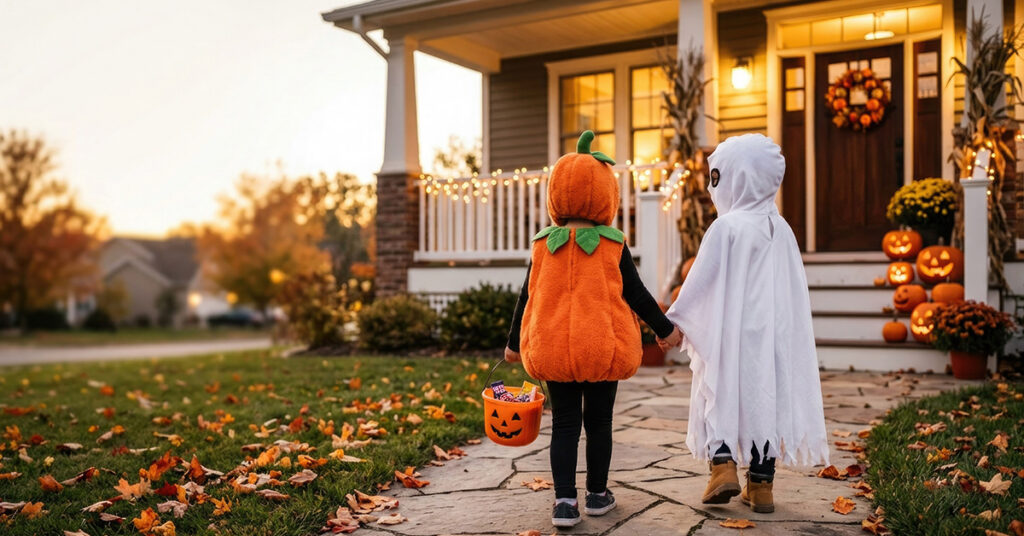
Halloween is one of the busiest nights of the year for foot traffic. Kids are racing from porch to porch in costumes that don’t quite fit. Neighbors are decorating dark yards with cords, props, and fog machines. Parents are juggling flashlights, candy buckets, and tired toddlers.
It’s also a night when a simple trip on a cracked walkway or a wet step can turn into a serious injury. And when that happens on someone else’s property, the question of who’s responsible isn’t always as simple as “watch where you’re going.”
Why Halloween Falls Happen So Easily
Most of the conditions that make Halloween fun also make falls more likely:
- Low light. Dark porches, dim walkways, and unlit steps are hard to see, especially for kids with masks or costume hoods limiting their view.
- Decorations in the way. Extension cords, inflatable stakes, fake tombstones, and props near paths and steps are classic trip hazards.
- Wet and uneven surfaces. Wet leaves, fog-machine moisture, sprinkler runoff, cracked sidewalks, and loose or missing step edges all increase slip risk.
- Crowds and distractions. Busy walkways, apartment complex common areas, and parking lots at fall festivals or parties mean people move fast and look everywhere but their feet.
Slip, Trip, or Fall: What’s the Difference?
People use these terms interchangeably, but the type of fall can matter to a case:
- Slip and fall: Usually caused by a slick or wet surface, like a spill, a wet step, or an icy or oily patch.
- Trip and fall: Usually caused by an obstacle or uneven surface, like a cord, a loose board, a raised sidewalk crack, or a hidden step.
- Stair and step falls: Often tied to poor lighting, missing handrails, or damaged treads.
In each case, the legal question is the same: Did the person who controls the property do what a reasonable owner would have done to keep visitors reasonably safe?
What Is Premises Liability?
Premises liability covers injuries caused by dangerous conditions on someone else’s property. That can include homes, apartment complexes, stores, restaurants, parking lots, event spaces, and fall attractions like pumpkin patches and haunted houses.
Usually, a property owner or occupier in Texas may be responsible when:
- A dangerous condition existed on the property,
- They knew about it, or reasonably should have known about it, and
- They didn’t fix it or adequately warn visitors, and
- That failure caused the injury.
The applicable duty can also depend on the visitor’s status, such as a customer, a guest, or someone on the property for another reason. That’s one reason it helps to talk to an attorney early. These cases turn on details.
Tips to Help Keep Everyone Safe on Halloween
A little preparation goes a long way.
If you’re hosting or handing out candy:
- Light your path from the street to your door, including steps and any uneven spots.
- Keep walkways clear of cords, props, hoses, and decorations.
- Fix or flag loose steps, cracked pavement, and wobbly railings before the night.
- Sweep up wet leaves and watch for slick spots from sprinklers or fog machines.
If you’re trick-or-treating or heading to a party:
- Make sure costumes fit well so no one is tripping over extra fabric.
- Choose face paint over masks when you can. Clear vision makes a big difference.
- Carry a flashlight and add reflective tape or light-up accessories so you can see and be seen.
- Stick to sidewalks, travel in groups, and use caution on unfamiliar steps and driveways.
If you’re driving:
- Slow down in residential areas, minimize distractions, and plan a safe, sober ride home.
If You Fall on Someone Else’s Property
If you or a family member is hurt, these steps can make a real difference later:
- Get medical care. Even if you feel okay, some injuries don’t show up right away. Kids especially may not say anything hurts until later.
- Report the fall. Tell the property owner, manager, or event organizer what happened, and ask them to document it.
- Take photos and video. Capture the spot where you fell, the lighting, any hazards, and your injuries, as soon as you can.
- Get names. Collect contact information for any witnesses.
- Keep what you were wearing. Shoes and costume pieces can matter if there’s a dispute about what happened.
- Be careful what you say. Don’t give a recorded statement or sign anything for an insurance company before you understand your rights.
Expect the Other Side to Point Fingers
After a fall, an insurance company often focuses on what the injured person did wrong: the costume, the shoes, “not paying attention.” In Texas, fault can be shared, and if a person is found more than 50 percent responsible for their own injury, they may not be able to recover. That’s why documenting the property’s condition and what the owner knew about it matters so much.
Know Your Time Limit
In most Texas personal injury cases, you have two years from the date of the injury to file a lawsuit. Claims involving a government entity, such as a city sidewalk or a public building, can have much shorter notice deadlines. Don’t wait to find out which one applies to you.
Talk to Us If You’ve Been Hurt
Halloween should be about candy, costumes, and good memories, not an emergency room visit. If you or your child was hurt in a slip, trip, or fall on someone else’s property, we can talk through what happened and where you stand.
The consultation is free, and you don’t pay us unless we win your case.
From all of us at Trust Guss Injury Lawyers, we hope you and your family have a fun, safe, and spooky Halloween!
Back to BlogGet a Free Consultation
 2 minute response
 24 hours a day, 7 Days a Week
 Dedicated Trust Guss Intake Team
"*" indicates required fields