
 866-781-1994








Our Clients Know Who You Trust Matters – Hear Their Stories
The Other Driver Has No Insurance. What Happens to You?
When the driver who caused your accident doesn’t have insurance, knowing where to turn can be difficult. Trust Guss Injury Lawyers can help you investigate available coverage and determine what comes next.
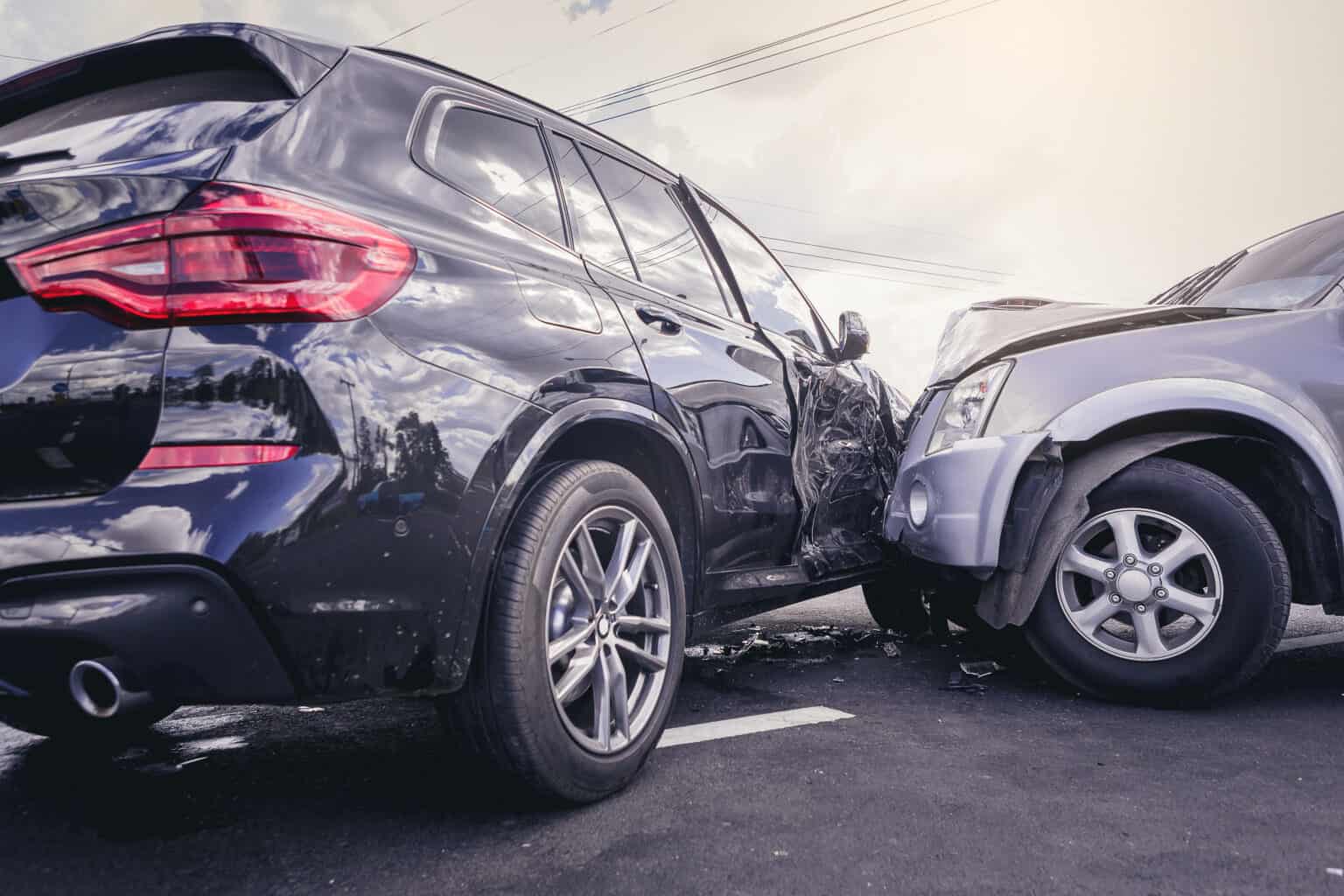
An Uninsured Driver Accident Lawyer Can Help You Explore Your Options
You did everything you could after the crash. You exchanged information, reported what happened, and started getting medical care. Then came an unexpected complication: the driver who hit you doesn’t have insurance.
Now, on top of recovering from your injuries, you’re wondering how you’ll pay your medical bills, make up for missed work, or repair your vehicle.
Being hit by an uninsured driver doesn’t necessarily mean you’re out of options. Your own insurance policy may provide protection, or there may be other sources of compensation worth investigating. But figuring out what coverage applies and getting an insurance company to pay a qualifying claim can be more difficult than you expect.
At Trust Guss Injury Lawyers, we help injured people work through complicated car accident claims, including those involving uninsured and underinsured drivers. Our team most often assists people who have suffered documented injuries, sought medical treatment, and have an insurance claim involving available coverage. We can review your situation, investigate potential insurance coverage, and handle communications with insurers while you focus on healing.
Our team is available 24/7 for a free consultation, and you won’t pay upfront attorney fee
Request Your Free Consultation
Written by:
Trust Guss Injury Lawyers
Legal review:
Kristen Weaver
Last updated:
October 2026
Uninsured Driver Accidents: What You Should Know
- An uninsured driver can still be held responsible for a crash. Not carrying liability insurance doesn’t excuse negligent driving, although it can make collecting compensation more difficult.
- Your own car insurance may help. Uninsured motorist (UM) coverage can provide protection for certain losses when the responsible driver has no qualifying liability insurance.
- Underinsured motorist coverage is different. UIM coverage may apply when the at-fault driver’s insurance exists but isn’t enough to cover your qualifying losses.
- Other coverage may be available. Depending on the accident and the policies involved, medical payments coverage, personal injury protection, or another liability policy may help with certain expenses.
- Insurance claims can still be disputed. Even when you carry UM coverage, your insurer may question fault, injuries, policy requirements, or the amount of your claim.
- Early documentation matters. Accident reports, medical records, photographs, and insurance documents can help establish what happened and support your claim.

We Win or You
Pay Nothing
We have staff standing by at all hours to help you.
Immediate
Medical Care
Receive the treatment you need, as soon as you need it, with usually no out-of-pocket cost to you.
24/7
Access to Us
Speak with a real human being, no matter what time it is.
Client
Satisfaction
Enjoy working alongside a firm with a sterling reputation for 1,400+ 5-Star Google Reviews.
When Insurance Becomes Complicated, Having Someone in Your Corner Matters
Trust Guss Injury Lawyers has represented injured people since 1999. We understand that clients need more than legal paperwork and complicated explanations. They need someone who will listen, communicate clearly, and help them make informed decisions about their claims.1,400+
Five-Star Google Reviews from Satisfied Clients
What Happens When the At-Fault Driver Has No Insurance?
When another driver causes a crash, their liability insurance is often the primary source of compensation for the people they’ve injured. That coverage may help pay for medical treatment, lost wages, vehicle damage, and other qualifying losses.
But if the driver responsible doesn’t carry insurance, the usual process becomes more complicated.
The other driver may still be legally responsible for the accident. The problem is that responsibility alone doesn’t guarantee there’s money available to pay for your injuries.
Depending on your circumstances, you may have several options worth exploring:
- Your uninsured motorist coverage: If you purchased applicable UM protection, you may be able to file a claim through your own insurance company.
- Other insurance policies: Coverage connected to another responsible party, a vehicle owner, or an employer may sometimes apply.
- A claim directly against the driver: You may be able to pursue legal action against the person who caused the crash, although collecting compensation from someone with limited financial resources can be difficult.
Before deciding that there’s no insurance available, it’s important to confirm the other driver’s actual coverage status.
For example, a driver might not have an individual policy but may have been operating a vehicle covered under another policy. Whether that coverage applies depends on the circumstances and policy terms.
The key question isn’t just whether the other driver has insurance. It’s whether any applicable source of compensation exists.
To learn more, check out our car accident insurance FAQs.
What Should You Do After an Accident With an Uninsured Driver?
Finding out another driver doesn’t have insurance can be upsetting, especially when you’re injured. But the most important steps after the crash are largely the same whether the other driver is insured or not.
The difference is that preserving evidence and understanding your coverage may become even more important.
Here’s what to prioritize:
- Get medical care. Your health comes first. Some accident-related injuries aren’t obvious right away, and an early medical evaluation can help identify injuries that need treatment.
- Report the accident. Contact law enforcement and follow applicable reporting requirements. An accident report can help document the crash, the drivers involved, and important details about what happened.
- Get the driver’s information. Collect their name, contact information, license plate number, and any insurance details they can provide. Don’t assume a driver is uninsured until that information has been verified.
- Document the scene. If it’s safe, take photographs of the vehicles, roadway, damage, and surrounding conditions. Collect contact information from anyone who witnessed the collision.
- Notify your insurance company. Report the accident according to your policy’s requirements. Some policies include conditions or deadlines that may affect uninsured motorist claims.
- Save your records. Keep medical bills, treatment summaries, repair estimates, receipts, and evidence of missed work. These records may be important when evaluating your losses.
- Consider speaking with an attorney. If your injuries require ongoing care, the available coverage is unclear, or an insurer disputes your claim, legal guidance can help you understand what to do next.
One mistake to avoid is assuming that you have no legal options simply because the other driver couldn’t produce proof of insurance.
Before making major decisions about your claim, it may be worth having the available coverage reviewed by a trusted car accident attorney. You can also learn more by reviewing our FAQs about what to do after a car accident.
How Does Uninsured Motorist Insurance Work After a Crash?
Uninsured motorist coverage, commonly called UM coverage, is designed to provide protection in certain accidents involving drivers who don’t have qualifying liability insurance. Instead of relying on the at-fault driver’s policy, you may be able to make a claim under your own coverage.
This is an important distinction: filing an uninsured motorist claim generally means seeking benefits from your own insurer for injuries or losses caused by someone else.
However, UM coverage doesn’t automatically apply to every accident. Your policy, coverage limits, the circumstances of the crash, and applicable state law all affect what benefits may be available.
What’s the Difference Between Uninsured and Underinsured Motorist Coverage?
Although the terms are frequently used together, they address different situations.
| Coverage | What It Means | When It May Help |
| Uninsured Motorist (UM) | The at-fault driver has no qualifying liability insurance. | You suffer covered losses in an accident caused by an uninsured driver. |
| Underinsured Motorist (UIM) | The at-fault driver carries insurance, but the available liability coverage may be insufficient. | Your qualifying losses exceed the protection available through the responsible driver’s policy. |
For example, suppose a negligent driver causes an accident that results in significant medical treatment and months away from work.
If the driver has no qualifying liability insurance, your UM coverage may become relevant.
If the driver has liability insurance but the available limits are too low to cover your qualifying losses, UIM coverage may provide additional protection.
In either situation, the amount available depends on the policy and state law. UM/UIM insurance isn’t a guarantee that every expense will be paid.
Is Uninsured Motorist Coverage Required in Every State?
No. Insurance requirements vary throughout the United States.
Some states require certain types of uninsured or underinsured motorist coverage. Others require insurance companies to offer these protections but allow drivers to reject them. In some places, particular coverage options are voluntary.
The rules can also differ when it comes to:
- Minimum coverage limits
- Written coverage rejections
- Bodily injury versus property damage protection
- Who qualifies as an insured person
- How multiple policies or limits interact
- Deadlines and other claim requirements
The most reliable starting point is reviewing your actual insurance policy, including its declarations page and coverage provisions.
Can Uninsured Motorist Coverage Help After a Hit-and-Run?
In some circumstances, yes. When a driver causes an accident and flees the scene, you may be unable to identify that person or confirm whether they had insurance.
Some uninsured motorist policies provide coverage for qualifying hit-and-run crashes, but requirements vary by state and policy. For example, certain claims may involve specific reporting, identification, evidence, or physical-contact requirements. If the responsible driver left the scene, it’s especially important to preserve any available video footage, witness information, vehicle descriptions, and other evidence.
For additional information about coverage and insurance disputes, explore our car accident insurance and claims FAQs.
What if You Don’t Have Uninsured Motorist Coverage?
Not everyone carries uninsured motorist coverage. Depending on your state and insurance choices, you may have declined it or purchased a policy that doesn’t include it.
If you discover that the driver who injured you has no insurance and you don’t have UM protection, your options may be more limited. But that doesn’t necessarily mean every possibility has been exhausted. The next step is to determine whether another type of insurance or another responsible party may provide coverage.
What Other Insurance Could Help Pay Your Expenses?
Depending on your policies and how the accident happened, several types of coverage may be relevant.
- Personal injury protection (PIP): Where available, PIP may help pay certain medical expenses, lost income, or other qualifying costs without requiring a determination of fault.
- Medical payments coverage (MedPay): This coverage may help with eligible medical expenses following a collision, subject to your policy’s terms and limits.
- Health insurance: Your health insurance may help cover accident-related medical treatment, although deductibles, reimbursement rights, or other obligations may apply.
- Collision coverage: If you purchased it, collision insurance may help repair or replace your vehicle. It generally doesn’t provide compensation for bodily injuries.
- Other liability policies: If another person or business shares responsibility for the crash, an additional insurance policy may apply.
These protections don’t all serve the same purpose. Some address medical expenses, others vehicle damage, and others potentially broader injury-related losses.
Whether any of them is available depends on the circumstances of your accident.
Can You Sue the Driver if They Don’t Have Insurance?
Possibly. An uninsured driver can still be held legally responsible for injuries caused by negligent driving. However, suing someone and collecting money from them are two different things.
A driver who doesn’t carry liability insurance may also have limited income or assets. Even if you obtain a favorable judgment, collecting the full amount could be difficult. That’s why investigating insurance coverage and the financial circumstances of a potential defendant can be an important part of deciding how to move forward.
A qualified lawyer can help evaluate whether pursuing a direct claim is practical and whether other avenues deserve investigation – contact us for your free evaluation.
How Do You File an Uninsured Motorist Claim?
If you have applicable uninsured motorist coverage, you may be able to seek compensation through your own insurance company. But filing a claim doesn’t mean the insurer will automatically accept responsibility for paying your losses.
Your insurance company may still investigate whether the other driver caused the accident, whether you meet the policy’s coverage requirements, and whether the amount you request is supported by the evidence.
An uninsured motorist claim commonly involves the following steps:
- Reviewing your coverage: Identifying UM benefits, policy limits, exclusions, and other applicable conditions.
- Notifying your insurer: Reporting the crash and following the policy’s claims procedures.
- Establishing responsibility: Using accident reports, photographs, witness statements, and other evidence to show how the collision occurred.
- Documenting your injuries: Collecting medical records, treatment information, and evidence of accident-related losses.
- Confirming insurance availability: Verifying the responsible driver’s coverage status and investigating other policies that may apply.
- Submitting and negotiating the claim: Providing supporting evidence and addressing the insurer’s questions or objections.
- Evaluating further action: Considering additional legal proceedings if the claim cannot be resolved through negotiation.
Ultimately, each claim is different, and some policies or states have additional procedural requirements.
What Evidence Can Help Support an Uninsured Motorist Claim?
Because you’re generally asking your own insurance company to pay for losses caused by another driver, documentation can play an important role.
Useful evidence may include:
- Accident or police reports
- Photographs of vehicle damage and the collision scene
- Available video footage
- Witness contact information and statements
- Medical records, bills, and treatment recommendations
- Repair estimates and other property damage records
- Pay statements or employment records documenting missed work
- Insurance declarations pages and relevant policy documents
- Letters, emails, and other communications with insurers
Your attorney may also investigate whether the other driver truly lacked applicable liability coverage.
Thorough documentation can help clarify the facts when an insurer questions the accident, the extent of your injuries, or the amount of compensation requested.
Can Your Own Insurance Company Deny Your Claim?
Yes. One of the more frustrating parts of an uninsured motorist accident is that you may end up in a dispute with the insurance company you’ve been paying to protect you.
Even when UM coverage exists, insurers may question whether a claim qualifies or how much they are required to pay.
Common disputes involve:
- Whether the other driver was at fault
- Whether the driver qualifies as uninsured under the policy
- Whether your injuries resulted from the accident
- The extent and cost of medical treatment
- The amount of lost income or other damages
- Policy limits, exclusions, and procedural requirements
A claim denial doesn’t automatically mean the insurer acted improperly, but it also doesn’t mean the decision is necessarily correct.
If your claim has been denied, delayed, or valued below what you believe your documented losses support, an attorney may be able to review the decision and identify appropriate next steps. We’re available 24/7 for your free consultation.
How Long Does an Uninsured Motorist Claim Take?
There isn’t a universal timeline for resolving UM claims. An uncomplicated claim with clear fault, confirmed coverage, and well-documented injuries may move more quickly than one involving serious injuries or disputed policy terms.
Factors that affect timing can include the length of medical treatment, the need for additional evidence, delays in confirming the other driver’s insurance status, and disagreements over compensation.
Keep in mind that the time needed to settle a claim is different from the deadlines for reporting an accident or starting legal proceedings. Those deadlines may be governed by your policy, state law, or both.
What Compensation Can You Recover After an Uninsured Driver Accident?
When an uninsured driver causes a serious collision, the resulting expenses can add up quickly. You may need emergency care, follow-up appointments, physical therapy, or time away from work. Some injuries can affect your ability to earn income or return to everyday activities long after the crash.
Depending on your available coverage and applicable law, compensation may address losses such as:
- Emergency medical treatment and hospitalization
- Ongoing medical care and rehabilitation
- Future treatment expenses
- Lost wages and reduced earning capacity
- Physical pain and suffering
- Emotional distress and other qualifying non-economic losses
- Vehicle repairs or replacement under applicable property damage coverage
- Certain wrongful death damages, where legally available and covered
Not every insurance policy pays for all these categories. The types of compensation available depend on your coverage and the circumstances of your claim.
How Much Is an Uninsured Motorist Claim Worth?
There’s no standard amount an injured person can expect to recover after an accident with an uninsured driver. The amount of your losses matters, but so does the amount of insurance available to pay them.
Several factors can influence a claim, including:
- How seriously you were injured
- Whether you need long-term treatment
- How the injuries affect your work and daily activities
- Available UM/UIM policy limits
- Evidence establishing fault
- Applicable insurance exclusions or restrictions
- State laws affecting compensation
It’s important to distinguish between the total value of your accident-related losses and the amount that may actually be recoverable under the available insurance policies.
Those figures aren’t always the same.
What Happens if Your Losses Exceed Your Insurance Limits?
One of the biggest challenges in an uninsured motorist accident is that available insurance may not be enough to cover serious injuries. For example, if your qualifying losses exceed the applicable UM policy limit, the insurer generally isn’t required to pay beyond the coverage available under that policy. Other policies or responsible parties may provide additional options in some cases, but that isn’t guaranteed.
An attorney can help investigate coverage, assess your documented losses, and explain how insurance limits may affect your claim. For more information about evaluating damages, visit our car accident compensation and settlements FAQs.
How Trust Guss Helps When the Other Driver Has No Insurance
Not every car accident requires an attorney. But when the at-fault driver doesn’t have insurance, questions about coverage and compensation can make the claims process harder to manage.
You might be dealing with ongoing medical treatment while trying to understand multiple insurance policies. Or you may discover that your insurer disputes fault or doesn’t agree with the amount of your losses.
Trust Guss Injury Lawyers helps injured clients navigate these challenges by:
- Investigating the crash: Gathering reports, photographs, witness statements, and other evidence to establish what happened.
- Examining available coverage: Reviewing insurance policies and investigating other potential sources of compensation.
- Documenting the impact of your injuries: Organizing medical records, bills, employment information, and other evidence relevant to your claim.
- Managing insurance communications: Handling questions, documentation requests, negotiations, and disputes with adjusters.
- Evaluating settlement offers: Reviewing proposed resolutions in light of the available coverage and documented losses.
- Preparing for litigation when necessary: Assessing whether further legal action is appropriate if a claim cannot be resolved through negotiations.
Our goal is to take the confusion out of a difficult process and make sure you understand the decisions affecting your case.
Trust Guss offers free consultations, and our attorneys work on a contingency fee basis. That means no upfront attorney fees, and we only receive an attorney fee if we obtain a recovery for you.
If you’ve been injured by someone who lacks insurance, we’re here to listen, review your circumstances, and help you understand what options may be available.
Find Legal Support for Uninsured Driver Accidents Near You
The rules for uninsured and underinsured motorist claims aren’t identical across the country. Your insurance policy, the location of the accident, and the laws that apply to your claim can influence what coverage is available and what steps need to be taken.
Trust Guss Injury Lawyers has offices serving injured clients in the following communities:





If you don’t see your location listed, you’re welcome to reach out for a free case review to find out whether our team may be able to assist you.!
Uninsured Driver Accident FAQs
Not necessarily. Whether an insurer can increase your premium after a claim depends on state law, the circumstances of the accident, and the insurer’s rating practices. Some states limit rate increases for certain not-at-fault accidents. Your insurer and the rules in your state can help clarify what applies.
The vehicle owner’s insurance may provide coverage in some circumstances, even when the person driving doesn’t have their own policy. Whether it applies can depend on permission to use the vehicle, policy exclusions, and other factors. The available coverage should be investigated before assuming the vehicle was uninsured.
It may. Depending on the policy and applicable state law, UM coverage can protect certain passengers injured in an accident with an uninsured driver. In some situations, multiple policies may need to be reviewed to determine what coverage applies.
Keep the information the driver provided, including any insurance card, policy number, or contact information. Share it with your insurer and the appropriate investigating authorities. Further investigation may establish whether valid coverage existed at the time of the crash.
Possibly. States have different rules for determining how shared fault affects compensation. Some allow recovery when an injured person shares responsibility, while others impose stricter limitations. Policy terms and the laws governing your claim determine how fault may affect your options.
Deadlines vary. Your insurance policy may require prompt notice of an accident or claim, while applicable state law may establish separate deadlines for lawsuits or other proceedings. Missing a requirement can create complications, so it is important to review the relevant rules early.
More Resources for Navigating a Car Accident Claim
An accident with an uninsured driver can raise questions about more than insurance alone. If you’re trying to understand your injuries, your rights, or how the claims process works, these resources can help.
Helpful Resources
- National Car Accident Lawyer Overview
- FAQs: What To Do After a Car Accident
- FAQs: Car Accident Insurance & Claims
- FAQs: Car Accident Compensation & Settlements
- FAQs: Car Accident Injuries & Medical Treatment
- FAQs: Lawyers & The Car Accident Legal Process
Related Accident Cases